
Tool Box and Tools: A Starter Setup for Real-Life Fixes
A cabinet hinge is sagging, the chair rocks like it’s missing a leg, and your bike chain won’t stop clicking. You know the fix is small, but the moment you open a junk drawer, the stress hits. Where’s the screwdriver that fits? Why are there five mystery bits, but no wrench?
A good tool box and tools setup turns those moments into quick wins. You don’t need a workshop, and you don’t need to buy a huge set you’ll never touch. You need one toolbox that fits your space, a starter set of tools that cover most jobs, and a simple way to keep everything easy to grab.
This guide is for renters, homeowners, and anyone who wants to handle small repairs without turning the living room into a mess.
⚠️ Affiliate Disclosure:
Some of the tools mentioned here include affiliate links. If you click and buy, we may earn a small commission, at no extra cost to you. We only recommend gear we’d actually use ourselves.
Choose the right toolbox for how you actually work
A toolbox should match your life, not a fantasy version of it. If you live in an apartment, a 50-pound box packed with tools sounds tough until you try to carry it down a hallway. If you keep tools in a car trunk, a box that pops open when you hit a bump will test your patience fast.
Start with the basics: size, weight, and comfort. Pick something you can carry with one hand when it’s full. Check the handle. If it digs into your palm when the box is empty, it’ll feel worse loaded up. Look at the latch quality, too. A weak latch is how tools end up scattered across a closet floor.
Think about how the box opens. Some toolboxes need extra space to lift a lid and pull out trays. If your tool box lives on a tight shelf, a wide lid that can’t open all the way becomes a daily annoyance. The best toolbox is the one you can open and use in the spot you store it.
Budget matters, but so does buying smart. A cheap box that cracks or warps often gets replaced, which costs more over time. On the other hand, you don’t need a rolling chest for hanging a picture frame. Buy once for your current needs, then upgrade later if your projects grow. Also, avoid boxes that are so big you can’t lift them when filled with tools.
Toolbox styles that make sense (and when each one wins)
A basic plastic toolbox is light, affordable, and fine for simple home repairs. It’s a solid fit for renters who need a place for a screwdriver, pliers, tape, and a few small parts.
basic pick
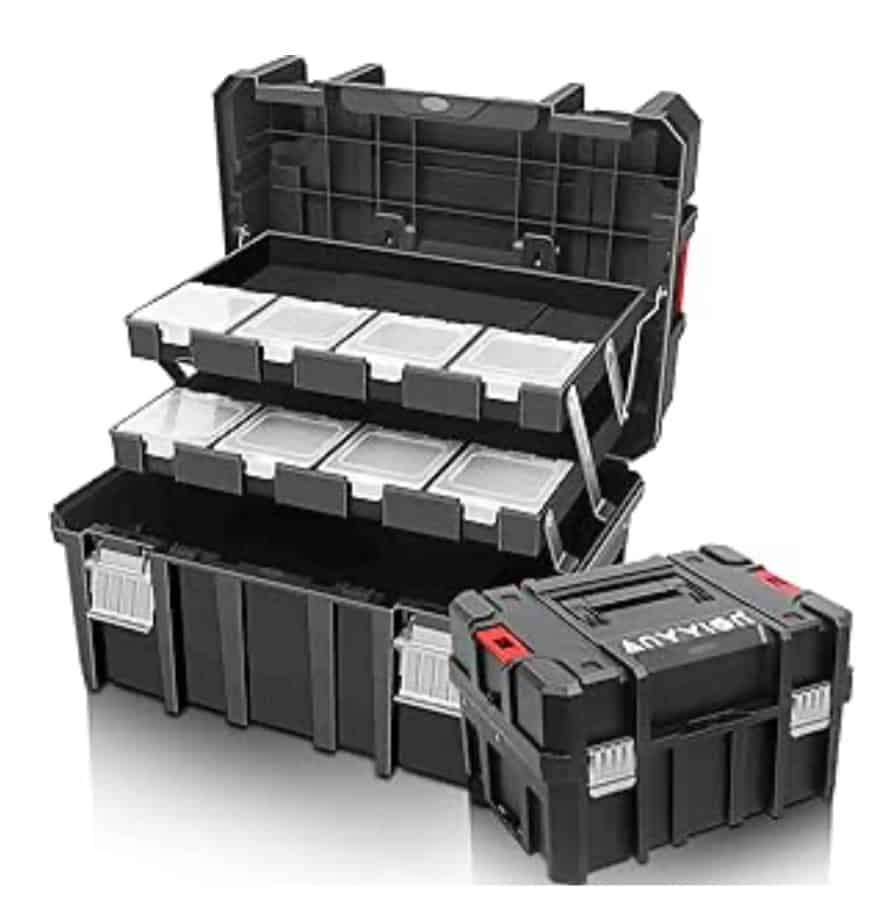
Try this: Anyyion Stackable Portable Tool Organizer
This lightweight, multi-function organizer features stackable storage and adjustable compartments, making it easy to keep small tools, hardware, and parts sorted at home or on the go.
A metal toolbox usually feels tougher and holds up well in a garage. It can be heavier, and it may rattle in a car, but it’s a good choice if you want something that lasts for years.
metal pick
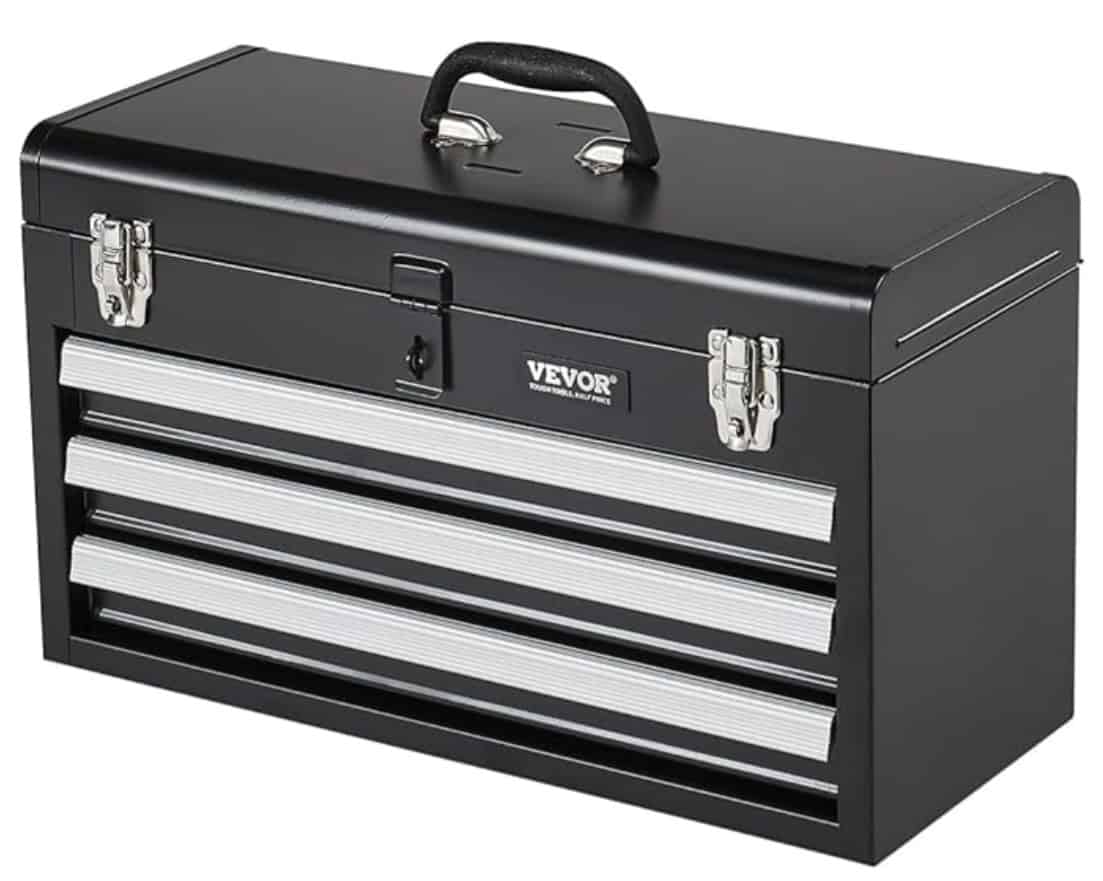
Try this: VEVOR 20.5” Portable Metal Tool Box
A durable metal tool box with multiple compartments that keeps hand tools, hardware, and small parts organized, whether you’re working in the garage, shop, or moving between jobs.
A tool bag is flexible and easy to carry, especially up stairs. It works well for apartment fixes, furniture assembly, and quick trips between rooms.
tool bag pick
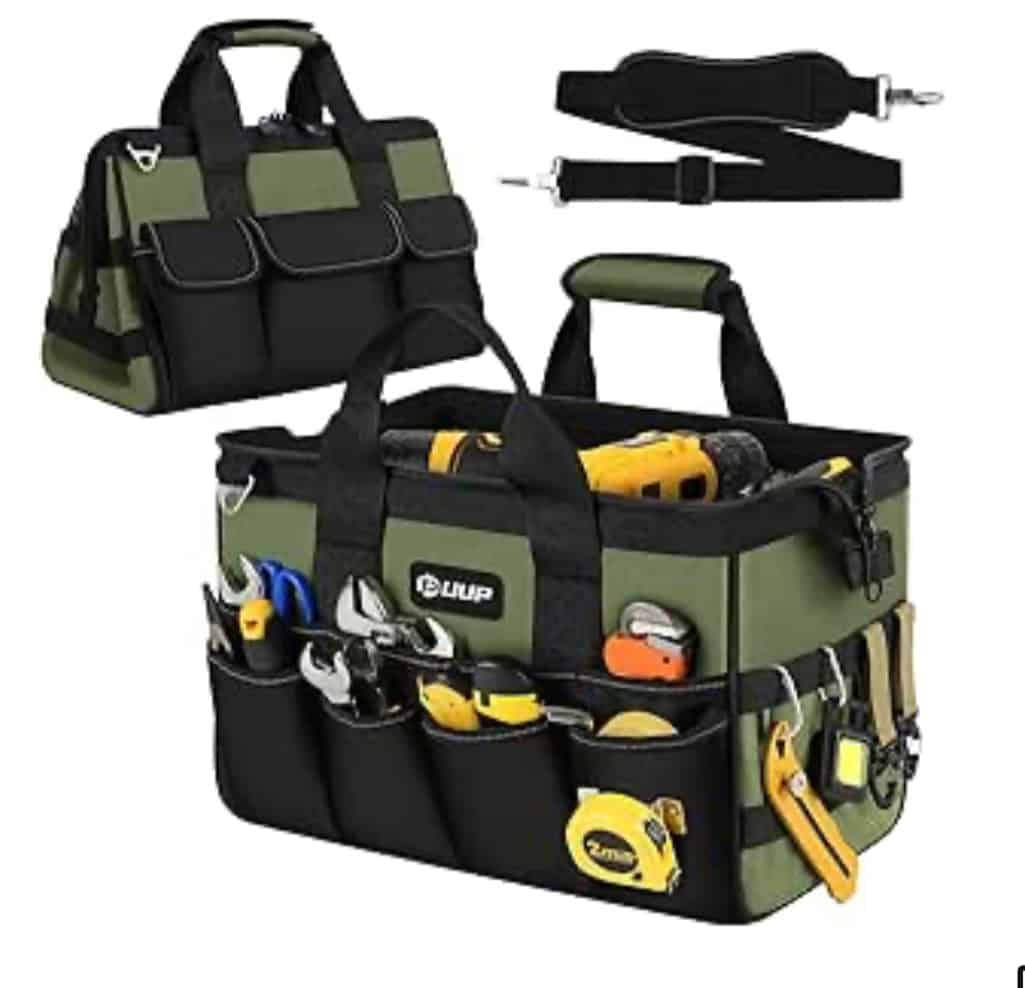
Try this: UUP 16-Pocket Heavy-Duty Tool Bag
Built for grab-and-go work, this compact bag offers 16 pockets to keep essential tools organized without carrying a full toolbox.
A small parts organizer is perfect for screws, picture hooks, anchors, and bits. If you’ve ever bought a pack of anchors and lost half of them, you already know why it earns its own space.
organizer pick
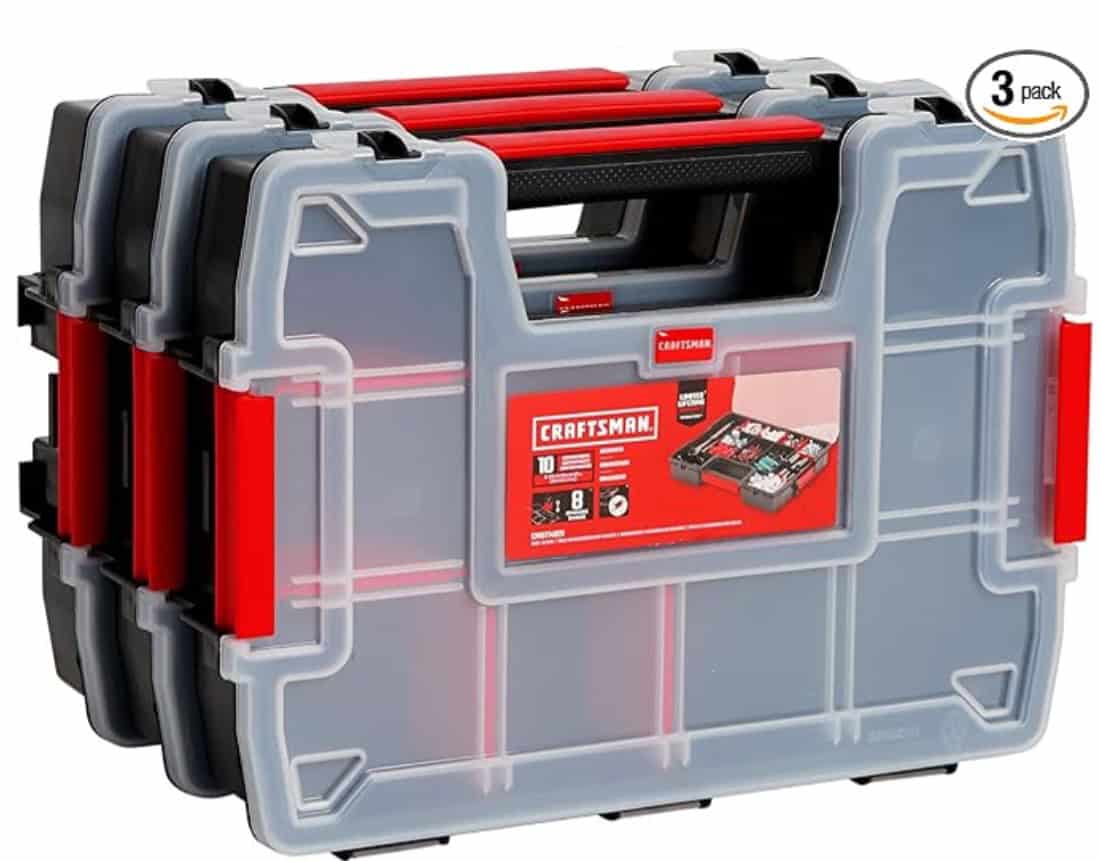
Try this: CRAFTSMAN 10-Compartment Storage Organizer
This compact organizer features ten compartments for sorting screws, anchors, and small parts, making it easy to see what you have and grab what you need without digging around.
A rolling tool chest makes sense when your tool collection is large, and you work in one place often, like a garage. It’s not for everyone, but it saves your back when tools add up.
tool chest pick
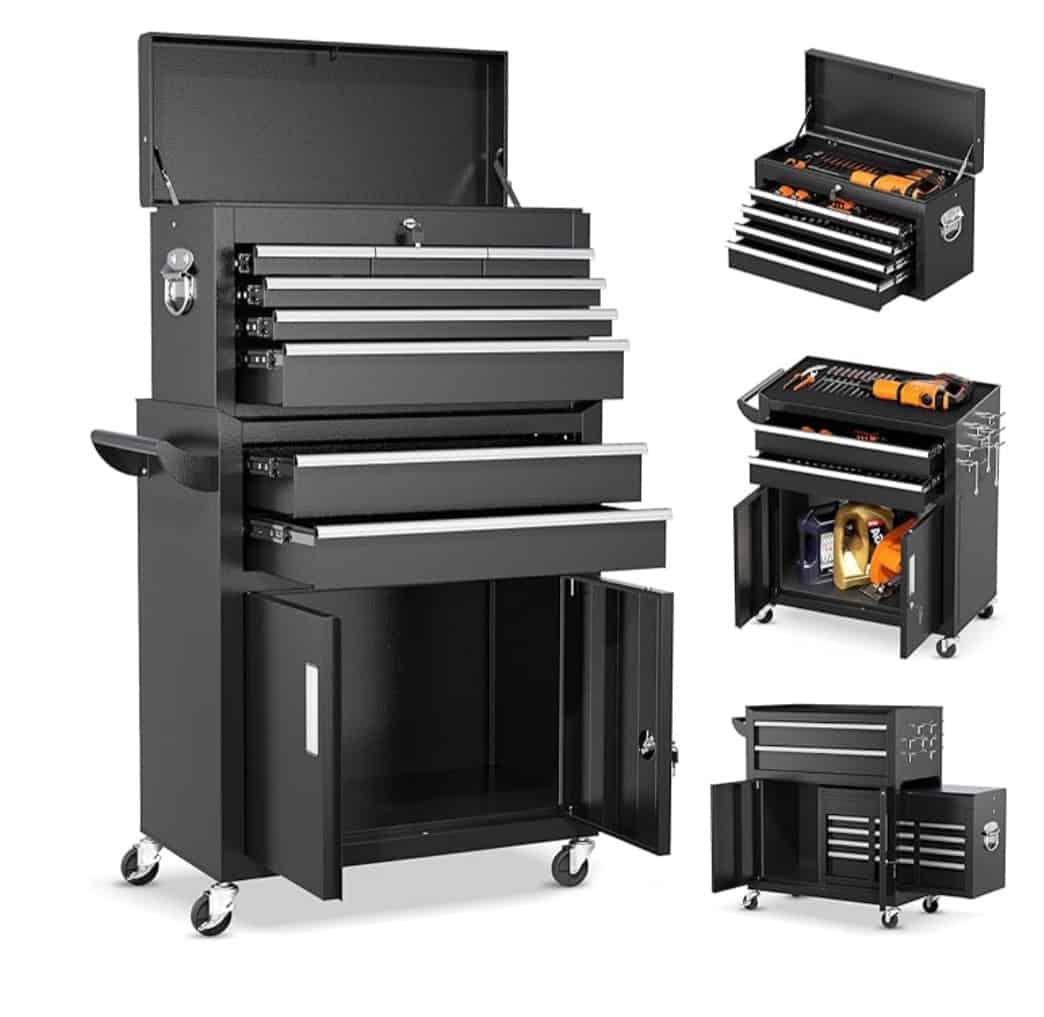
Try this: INTERGREAT 8-Drawer Rolling Tool Chest
This fully assembled rolling tool chest gives you eight smooth-sliding drawers for organizing tools, parts, and supplies, with locking storage and casters that make it easy to move around a garage or workspace.
The small features that matter more than the label
Inside layout matters. A removable tray helps you keep small items on top while heavier tools sit below. A wide opening helps you see what you own, which stops duplicate buys. Look for rust-resistant hardware if you store tools in a humid garage.
If you want more security, a lock option helps, especially with curious kids in the house. Water resistance is also helpful if your tools live in a trunk or shed, even a little protection can prevent rusty surprises.
A sturdy bottom is underrated. Thin plastic flexes, then cracks, then the whole box feels sloppy. Before you buy, picture where it will live (hall closet, garage shelf, car trunk), and measure that spot. A toolbox that doesn’t fit your storage spot becomes clutter fast.
The must-have tools to keep in your toolbox, without overbuying
It’s easy to buy a giant kit and still not have the right tool when something needs fixing. The goal of a starter toolbox isn’t quantity, it’s coverage. You want tools that handle the most common tasks: measuring, fastening, cutting, gripping, striking, lighting, and basic protection.
Stocking tools by function instead of brand or bundle keeps your setup practical. When each role is covered, most everyday home, car, and bike fixes become manageable without panic-buying late at night or improvising with the wrong tool.
Comfort and quality matter more here than variety. A screwdriver that fits your hand and holds its tip will get used far more than five drivers that slip. Hardened tips, smooth-moving joints, and grips that don’t fatigue your hand turn small jobs into quick wins instead of frustrating chores.
Be cautious with super-cheap mixed sets. They often include filler tools you’ll never reach for, and low-quality drivers that strip screws. A smaller set of dependable basics is usually the better starting point, even if it costs a little more upfront.
If you want a quick, high-level overview of the most useful tools homeowners tend to keep around, I’ve also put together a shorter guide in Best Tools for Homeowners. That article focuses on the essentials worth owning. This section is about how those tools actually earn their place, by solving real problems without overbuilding your toolbox.
Starter set for everyday repairs (the tools you will reach for most)
These are the tools most people use again and again:
- Tape measure: For furniture spacing, curtain rods, and “will this fit?” moments.
- Torpedo level (optional but handy): Keeps shelves and frames from looking slightly off.
- Utility knife: Opens boxes, trims drywall paper, cuts carpet padding, swap blades when dull.
- 6-in-1 screwdriver (or Phillips and flathead set): Tighten a loose doorknob, fix cabinet pulls, assemble furniture.
- Adjustable wrench: Helps with bolts and nuts, good for basic plumbing fittings.
- Slip-joint pliers: Grabs and turns odd shapes, pinches, twists, and holds.
- Needle-nose pliers: Pulls small nails, bends wire, reaches into tight spots.
- Claw hammer: Drives nails, pulls nails, taps parts into place without drama.
- Small hex key set: For flat-pack furniture, bike adjustments, and small machine screws.
- Compact flashlight or headlamp: For under-sink leaks, dark corners, and power outages.
With just these, you can hang frames, tighten a toilet seat, stop a cabinet door from sagging, and handle most “why is this loose?” problems in a home.
Small extras that solve big headaches
A few small items can save a project when the main tools aren’t enough:
- Stud finder (optional): Helpful for heavy shelves and TV mounts.
- Magnetic parts tray: Stops screws from rolling into another universe.
- Zip ties: Tames loose cables, secures bike accessories, holds odd parts in place.
- Electrical tape: Quick insulation for minor cable repairs (not a substitute for safe wiring work).
- Painter’s tape: Marks cut lines and protects walls from scuffs.
- Picture hooks and anchors: For hanging art without guesswork.
- Assorted screws: A small mix covers the “missing one screw” problem.
- Spare utility blades: A sharp blade is safer and cleaner.
- Work gloves and safety glasses: Protect hands and eyes when cutting, hammering, or working overhead.
- Pencil or marker: Mark holes, label parts, write quick notes.
Keep a tiny “refill” bag for consumables (tape, hooks, blades, zip ties). When something runs out, replace it and drop it back in, so your tool box stays ready.
Keep your tools easy to find, clean, and ready for the next job
A tool box is only helpful if it stays usable. The goal isn’t perfect order, it’s speed. You want to open the lid and spot what you need without digging like you’re panning for gold.
Put your most-used tools where your hand lands first. Group items by task. Measuring tools together, fasteners together, cutting tools together. Label small parts if you can, even a simple “anchors” note saves time later.
After each job, do a quick reset. Return tools to their spots and toss trash like old tape scraps. It takes one minute, and it prevents the slow slide into chaos.
Safety counts here, too. Keep blades covered or closed. Don’t toss loose chemicals (like strong cleaners) into a tool box. If something can leak, store it elsewhere.
A simple layout that stops the “where did I put it” spiral
Use “zones” so your hands learn where things live. Keep daily tools in the top tray, bigger tools on the bottom. Put tape and the flashlight in side pockets if you use a bag. Use a small organizer for screws, anchors, and picture hooks.
Hex keys and driver bits love to scatter. A small zip pouch inside the box keeps them together, and it’s easy to grab when you’re building furniture.
Quick care tips so tools last longer than one project
Wipe tools after use, especially if they touched water or grime. If pliers feel stiff, add a small drop of oil to the joint and work it open and closed. Store tools dry, and don’t leave them sitting on damp concrete.
Check screwdriver tips now and then. Worn tips slip, which damages screws and your knuckles. Replace stripped bits and dull blades early, it’s cheaper than replacing damaged hardware.
Final Thoughts From Stud Finder Studio
A good tool box and tools setup comes down to three things: choose a toolbox that fits your space and strength, stock a smart starter set, and keep it organized with simple care. Start small, buy the core tools first, and add extras only after a real job calls for them. The next time a hinge sags or a chair wobbles, you’ll know where the right tool is, and you’ll trust your hands to handle it. Small fixes get easier every time you do one.