
The Best Tools for Homeowners (What You’ll Actually Use After the First Month)
Homeownership has a funny way of teaching you things you never planned to learn. You don’t wake up one day wanting to know where studs are, how walls are built, or why one screw holds and another rips straight out of drywall. But sooner or later, you’re standing in your house with a drill in your hand, staring at a wall, wondering what’s hiding behind it.
That moment is where tools start to matter.
Most “best tools for homeowners” lists assume one of two things: either you’re doing a full remodel, or you’re assembling furniture every weekend. Real life sits somewhere in between. Most homeowners just want to fix things correctly, avoid unnecessary damage, and not turn small projects into expensive mistakes.
This guide is built for that reality.
These are tools homeowners actually reach for over and over again, not because they’re trendy, but because they quietly solve problems.
Why Tool Choice Matters More Than Tool Quantity
One of the easiest traps to fall into as a homeowner is buying tools reactively. Something breaks, you grab the cheapest thing that might fix it, and toss it into a drawer when the project is over. Over time, you end up with a collection of tools that technically work, but never work well.
The goal isn’t to own more tools. It’s to own tools that give you confidence.
Good homeowner tools help you understand what you’re working with. They help you slow down, make better decisions, and avoid redoing things later. When a tool prevents a mistake, it’s already done more than most tools ever will.
A Stud Finder: The Tool That Keeps You Out of Trouble
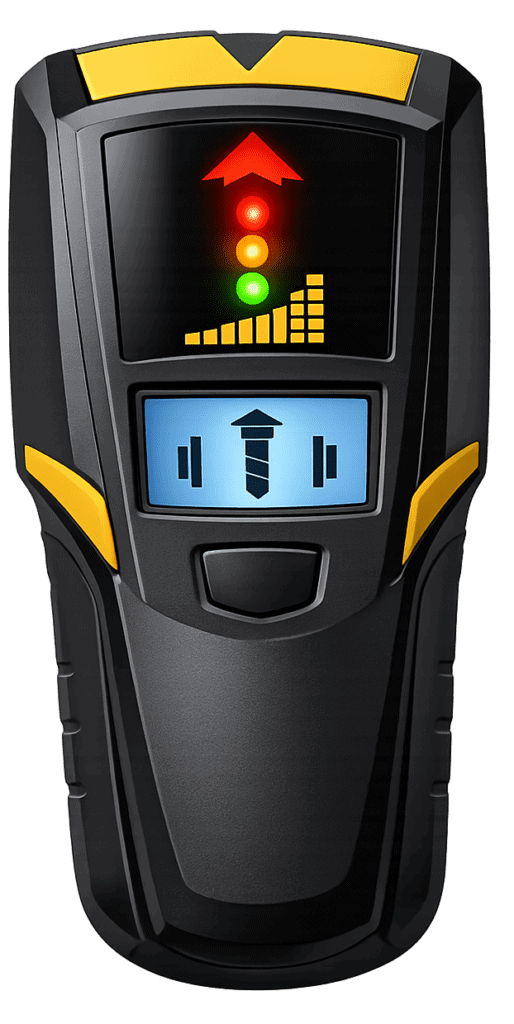
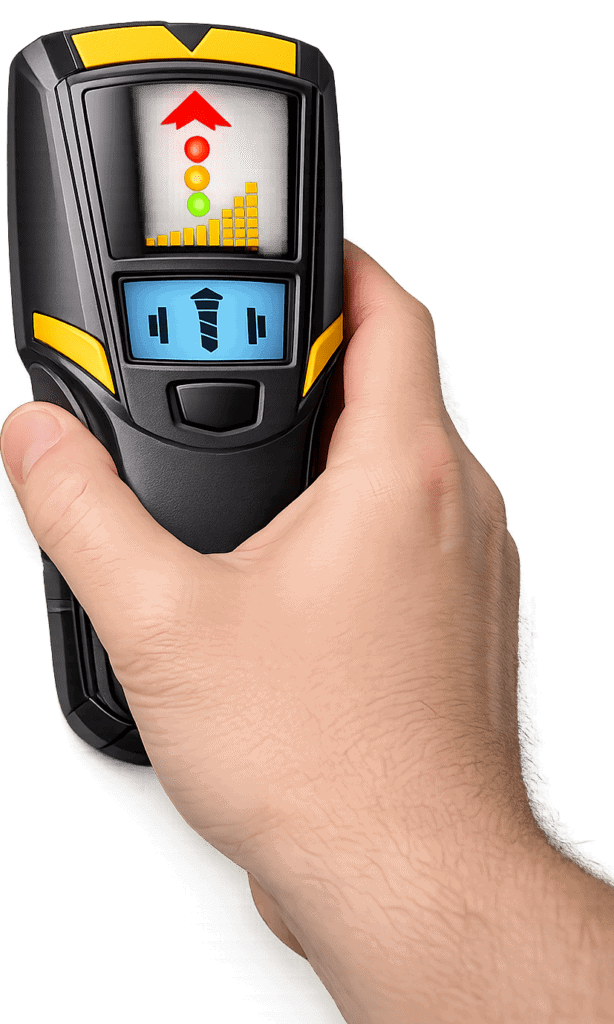
There are tools that help you build things, and tools that help you not break things. A stud finder firmly belongs in the second category.
Any time you drill into a wall, you’re making an assumption about what’s behind it. Sometimes you hit solid wood and everything feels great. Other times, the bit keeps spinning, the anchor pulls out, and now you’re patching drywall instead of hanging a shelf. A stud finder removes the guessing.
For homeowners, this tool becomes especially important in older houses where walls aren’t uniform and studs don’t always land where you expect them to. Add in electrical wiring and plumbing, and suddenly drilling blind stops feeling harmless.
A good stud finder gives clear feedback and helps you see the wall as a system instead of a mystery. That awareness alone prevents a lot of frustration, and more than a few expensive mistakes. It’s not flashy, but it earns its place quickly.
A Cordless Drill/Driver: The Workhorse You’ll Use the Most
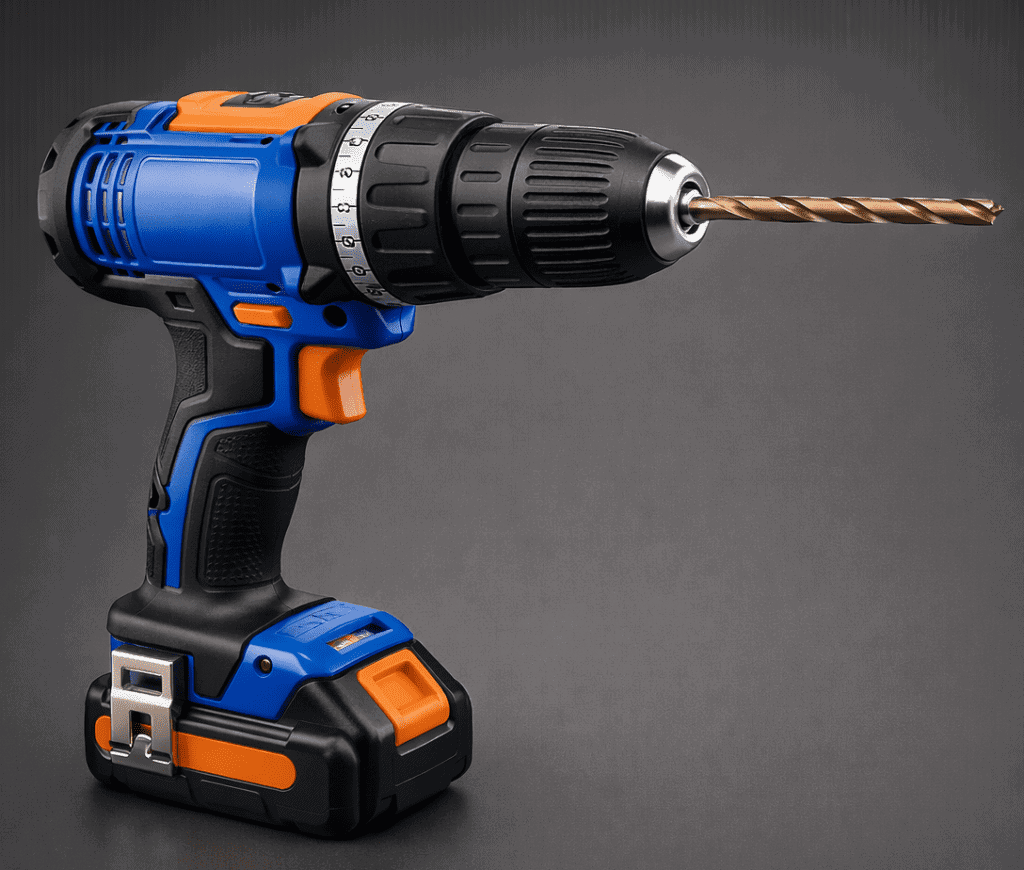
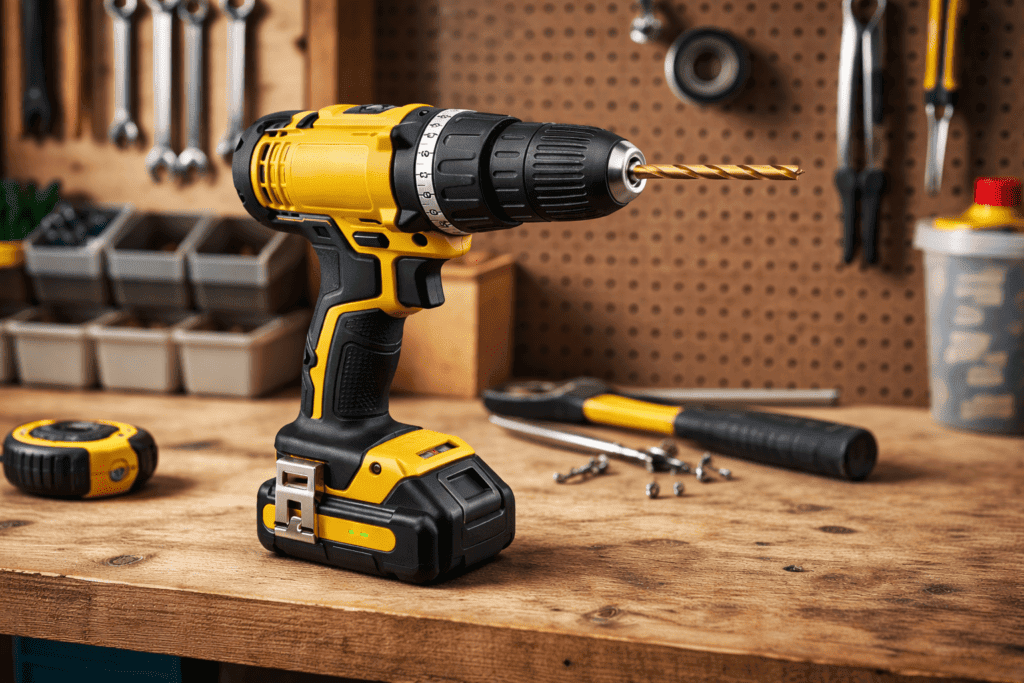
If there’s one power tool most homeowners use consistently, it’s a cordless drill/driver. It’s the tool that quietly handles dozens of small jobs without much thought.
Hanging curtain rods, tightening hardware, assembling furniture, drilling pilot holes, this is where a drill earns its keep. Homeowners don’t need extreme torque or massive batteries. What matters more is balance, control, and reliability.
A comfortable drill gets used more often. And the more you use it, the more confident you become tackling small projects instead of putting them off. That confidence compounds over time.
This is also one of the easiest tools to find at major hardware stores, which makes battery compatibility and future expansion simpler if you ever add more tools later.
A Tape Measure You Can Trust
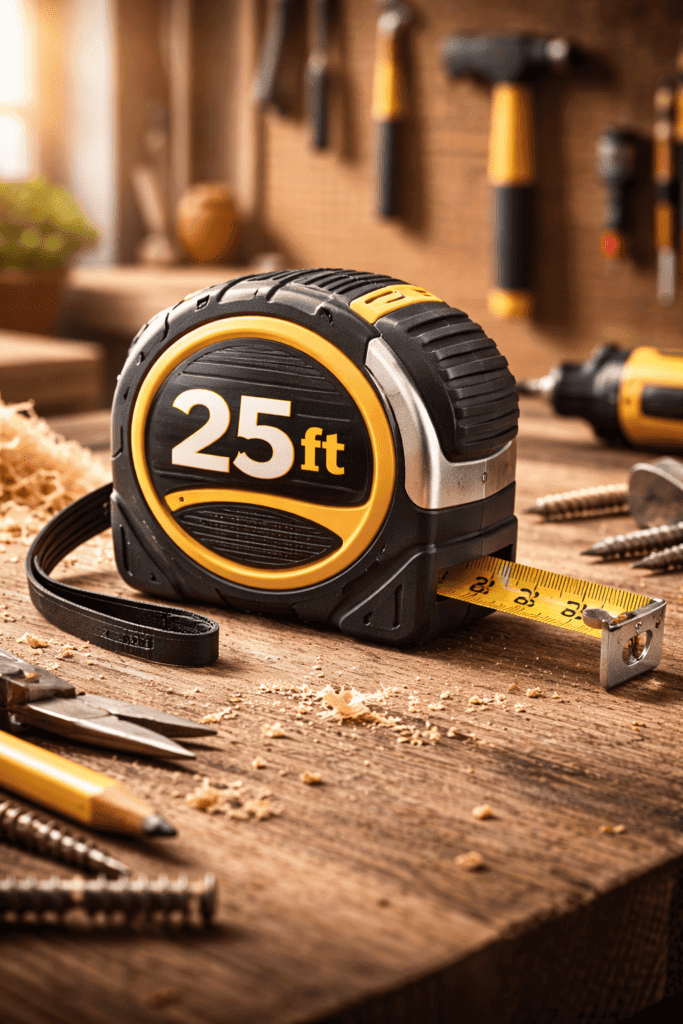
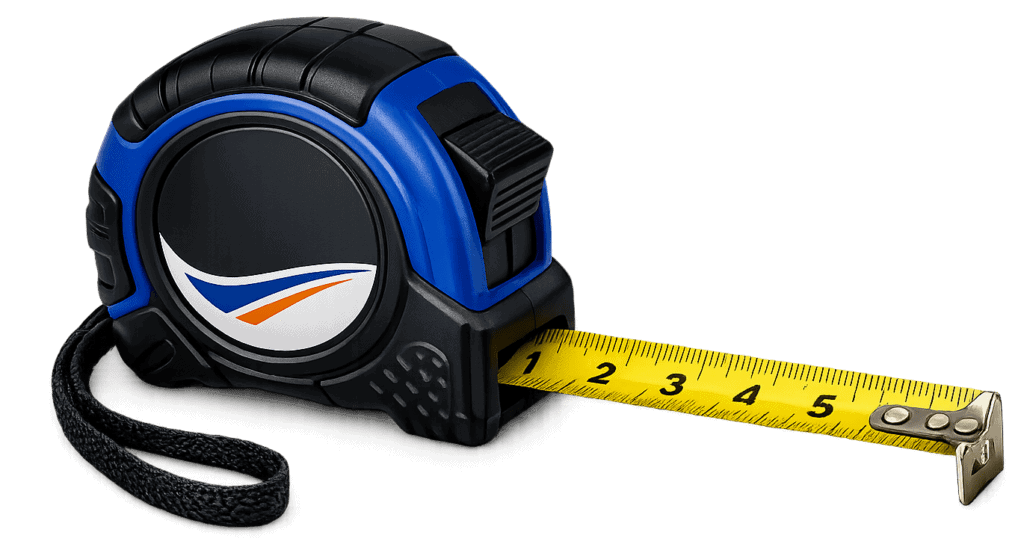
Most homeowner mistakes don’t come from lack of effort, they come from bad measurements.
A shelf that’s an inch too long, a picture that’s slightly off-center, or furniture that doesn’t quite fit all trace back to the same issue: measurements that weren’t checked carefully. A reliable tape measure helps remove uncertainty.
You don’t need a complicated one. You need one that locks firmly, extends smoothly, and has markings you can read without squinting. When you trust your measurements, projects stop feeling rushed and start feeling intentional.
A Level: Because Walls Lie
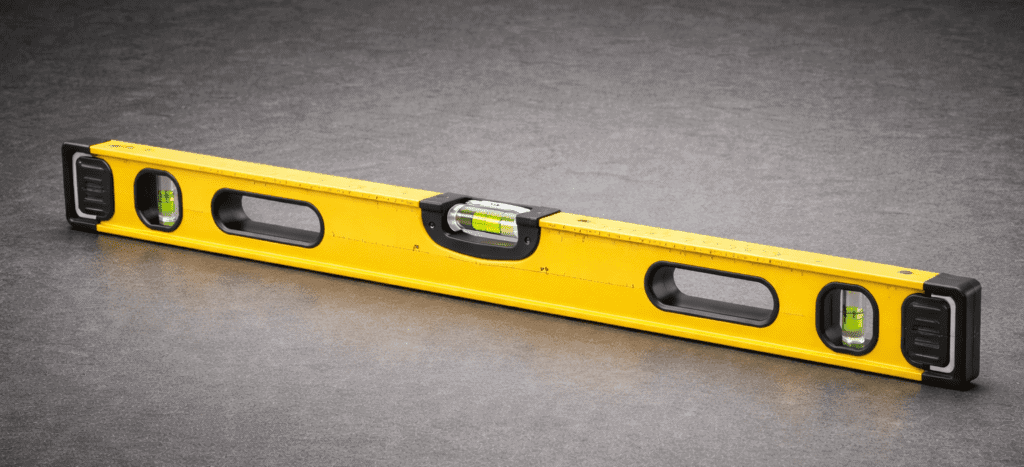
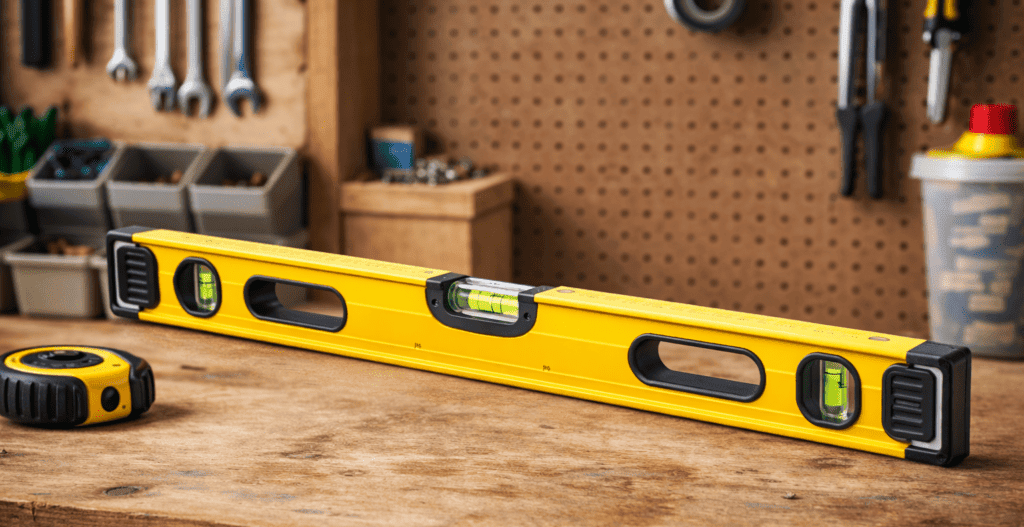
Most walls aren’t straight, and most floors aren’t level. Your eyes will try to compensate, but they’ll eventually betray you. A level keeps things honest.
Whether you’re hanging shelves, mounting a TV, or lining up artwork, this is the tool that makes everything look finished instead of “close enough.” One solid level is all most homeowners need, and it quickly becomes a non-negotiable part of wall work.
When things look straight, the whole room feels calmer, even if you can’t explain why.
A Multi-Bit Screwdriver: Control Over Speed
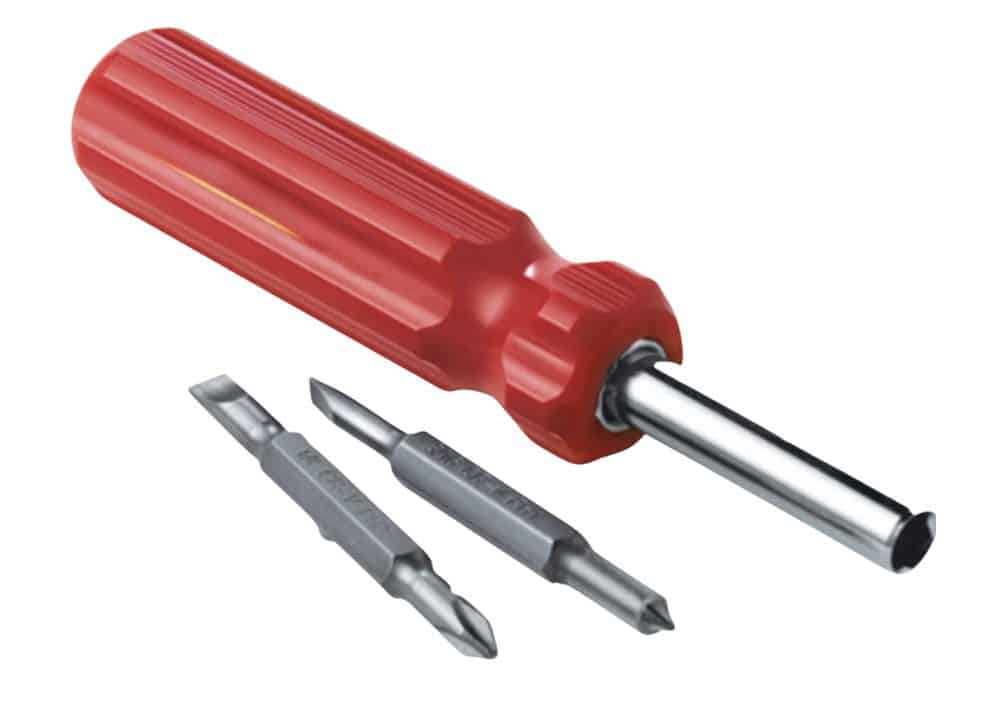
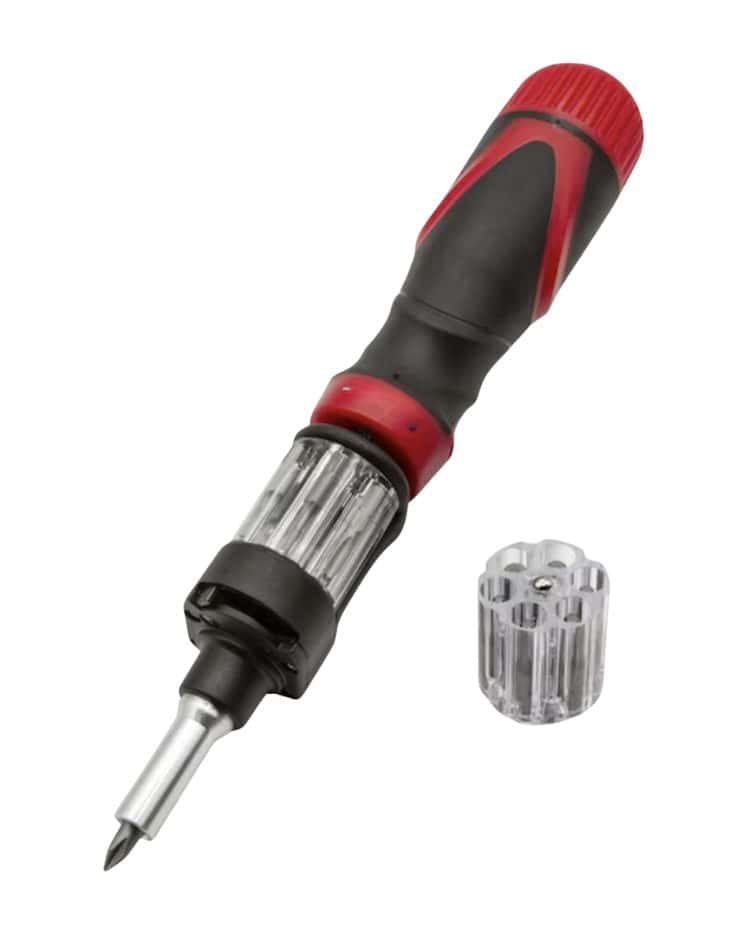
Not every job needs a power tool. In fact, many jobs are better handled by hand.
A quality multi-bit screwdriver gives you control when it matters. Tightening cabinet hinges, adjusting door hardware, assembling smaller items, these tasks benefit from feel, not force.
This is often the first tool homeowners grab when something feels slightly off. And because it doesn’t require setup, it’s one of the most frequently used tools in the house.
A Utility Knife: The Quiet Problem Solver
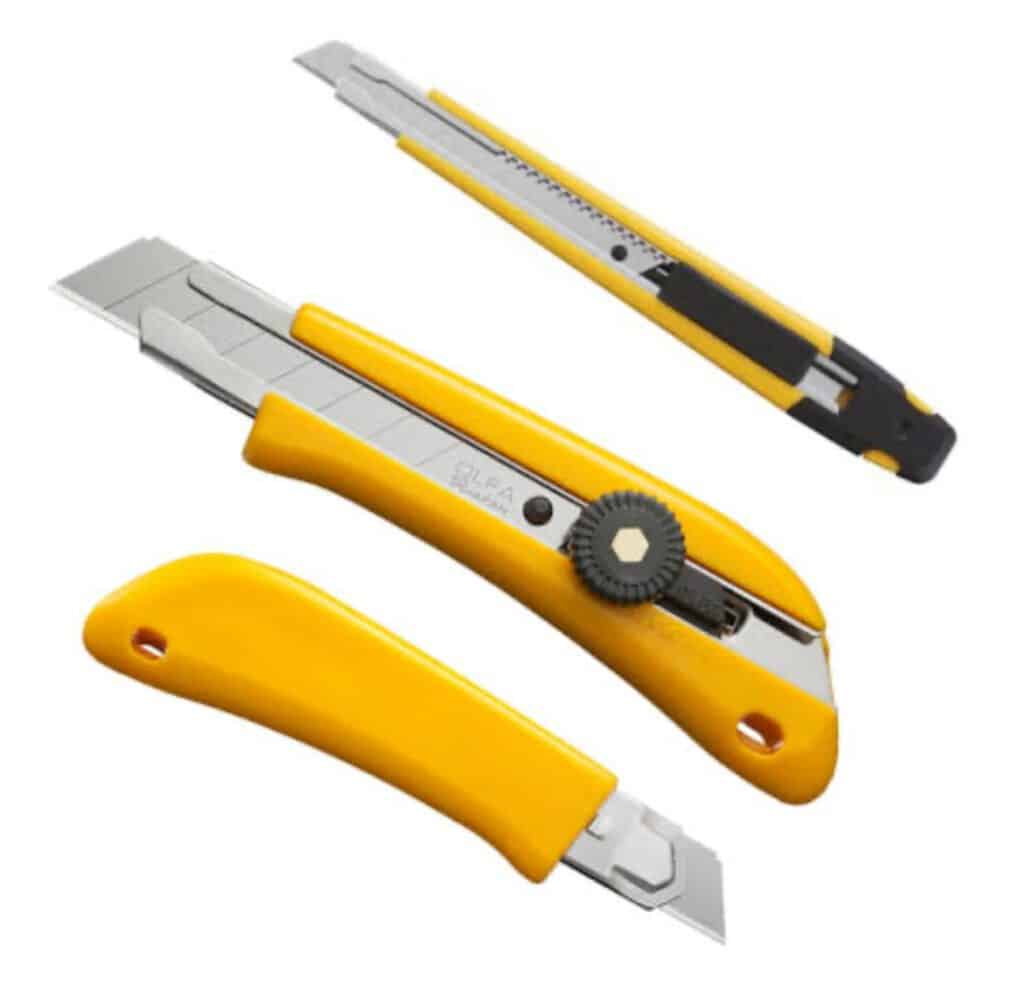
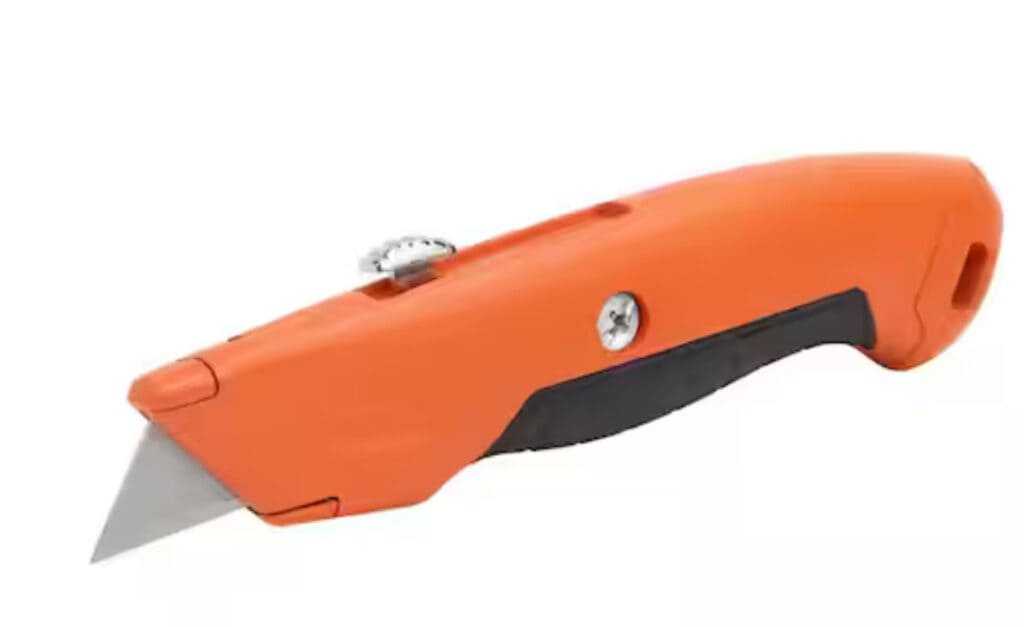
A utility knife doesn’t get much attention, but it shows up everywhere. Opening boxes, trimming drywall, cutting insulation, scoring materials, small tasks depend on it constantly.
A good utility knife locks securely, feels safe in the hand, and accepts standard blades. It’s one of those tools that makes everything else easier without demanding attention. You notice its absence immediately.
Basic Safety Gear: The Tools You Hope You Never Test
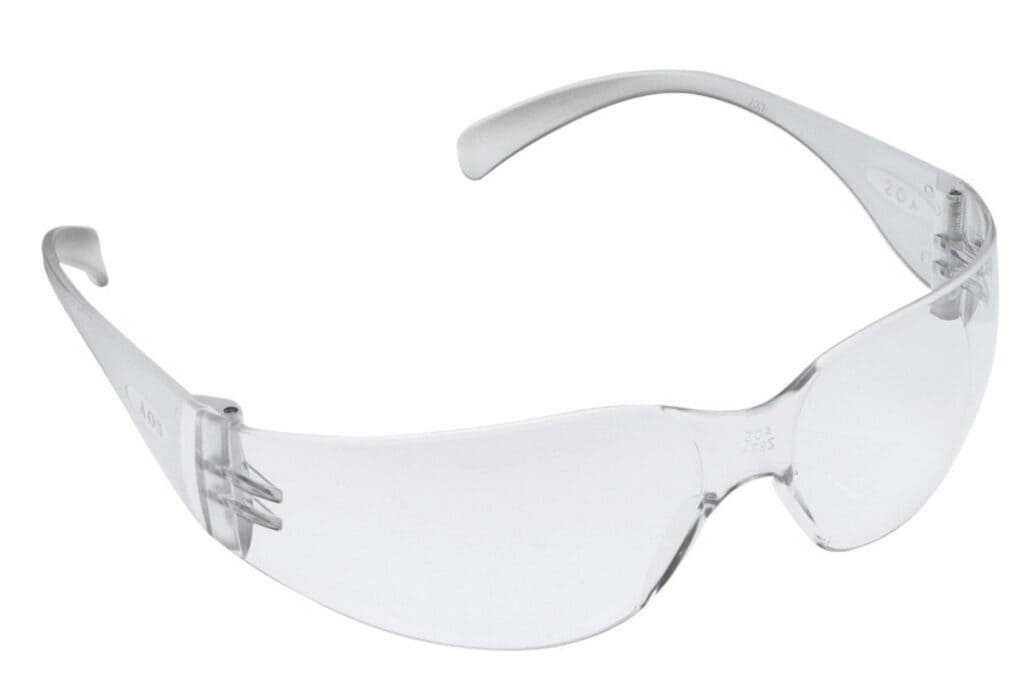
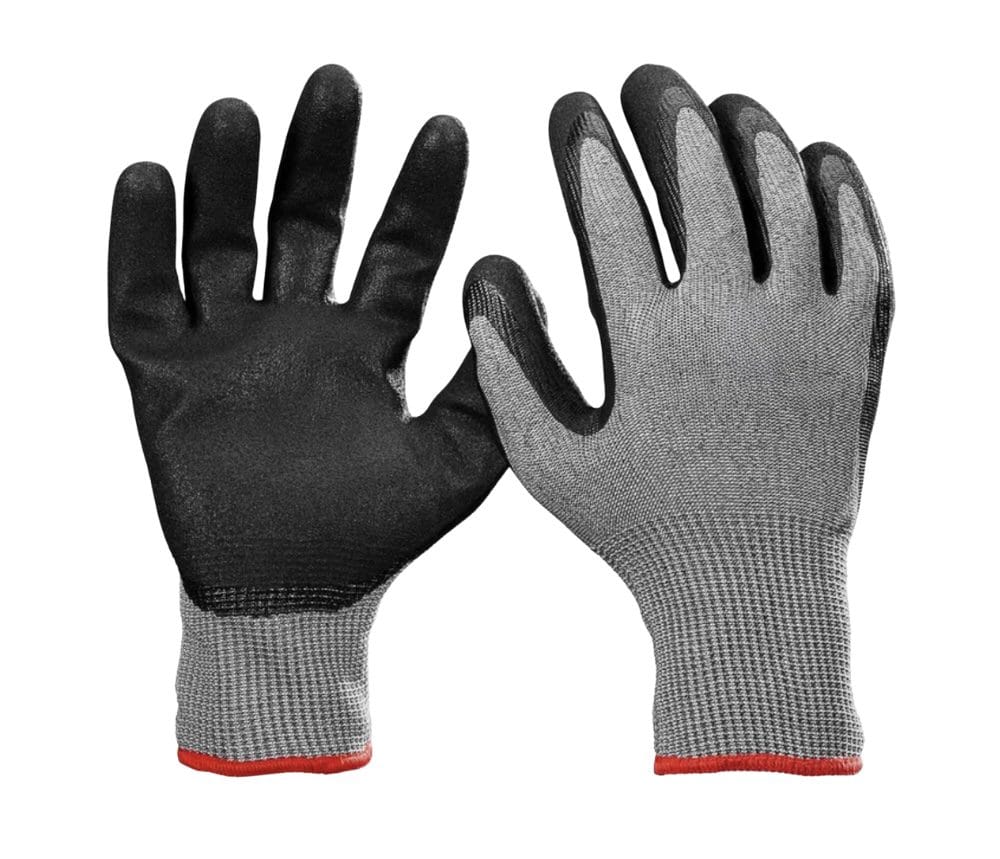
Homeowners often skip safety gear because projects feel small. But small projects still create dust, sharp edges, and flying debris.
Safety glasses, work gloves, and basic hearing protection aren’t about overthinking, they’re about working comfortably. When you’re protected, you focus better. When you focus better, you make fewer mistakes. That matters more than people like to admit.
Why This Tool List Works for Real Homes
This isn’t a contractor’s kit, and it’s not a starter pack you outgrow in six months. These are tools that stay relevant as long as you own a home.
Each one helps you slow down, understand what you’re working with, and finish projects without unnecessary damage. They don’t just help you fix things, they help you avoid fixing things twice.
Final Thoughts from Stud Finder Studio
A well-equipped homeowner isn’t someone with the biggest tool collection. It’s someone who knows what they’re working with before they start.
When tools help you see your house clearly, what’s behind the walls, how things line up, where weight should go, projects stop feeling intimidating. They start feeling manageable.
And if there’s ever a moment of uncertainty before drilling into a wall, that’s not hesitation. That’s experience catching up.