
AC Not Blowing Cold Air? (Here’s How to Fix It)
Your air conditioner is running. You can hear the fan. Air is coming out of the vents. But it’s not cold. The house isn’t cooling down, and you’re starting to sweat.
An AC that runs but doesn’t cool is one of the most frustrating home problems, especially during summer heat. The good news is many causes are simple to diagnose and fix yourself. The key is systematic troubleshooting – checking the most common problems first before calling for professional help.
Quick Answer
If your AC is not blowing cold air, start with these checks: Replace or clean the air filter (clogged filters are the most common cause). Verify your thermostat is set to COOL and the temperature is set below room temperature. Check that your outdoor unit is running – if it’s not, you have an electrical or compressor problem. Look for ice on the refrigerant lines or indoor coil – frozen coils indicate restricted airflow or low refrigerant. If these basic checks don’t solve the problem, you likely need professional service for refrigerant issues, compressor failure, or electrical problems.
Quick Checks (Start Here)
Before diving into complex troubleshooting, eliminate the simple causes. These checks take five minutes and solve most AC cooling problems.
Check the Air Filter
A clogged air filter is the single most common reason an AC stops cooling effectively. Restricted airflow prevents the evaporator coil from absorbing heat, and the system struggles to cool your home.
Locate your air filter – usually in a return air vent or in the air handler cabinet. Pull it out and look at it. If you can’t see light through it, or if it’s visibly dirty, replace it immediately.
Run the AC with a new filter for 30 minutes and see if cooling improves. This simple fix solves the problem more often than any other single issue.
Verify Your Thermostat Settings
It sounds basic, but verify your thermostat is set to COOL mode and the temperature setpoint is several degrees below current room temperature.
If someone adjusted the thermostat to HEAT or FAN ONLY mode by mistake, the AC won’t cool. The fan will run, but the compressor won’t.
Also check the thermostat has power. If it’s battery-powered, dead batteries prevent it from sending signals to your AC system.
Check If Your Outdoor Unit Is Running
Go outside and look at your condenser unit. Is it running? You should hear the fan and feel air blowing out the top or sides.
If the outdoor unit is completely silent and not running, you have an electrical problem, a failed capacitor, or a dead compressor. This requires professional service.
If it’s running, continue troubleshooting.
Inspect Circuit Breakers
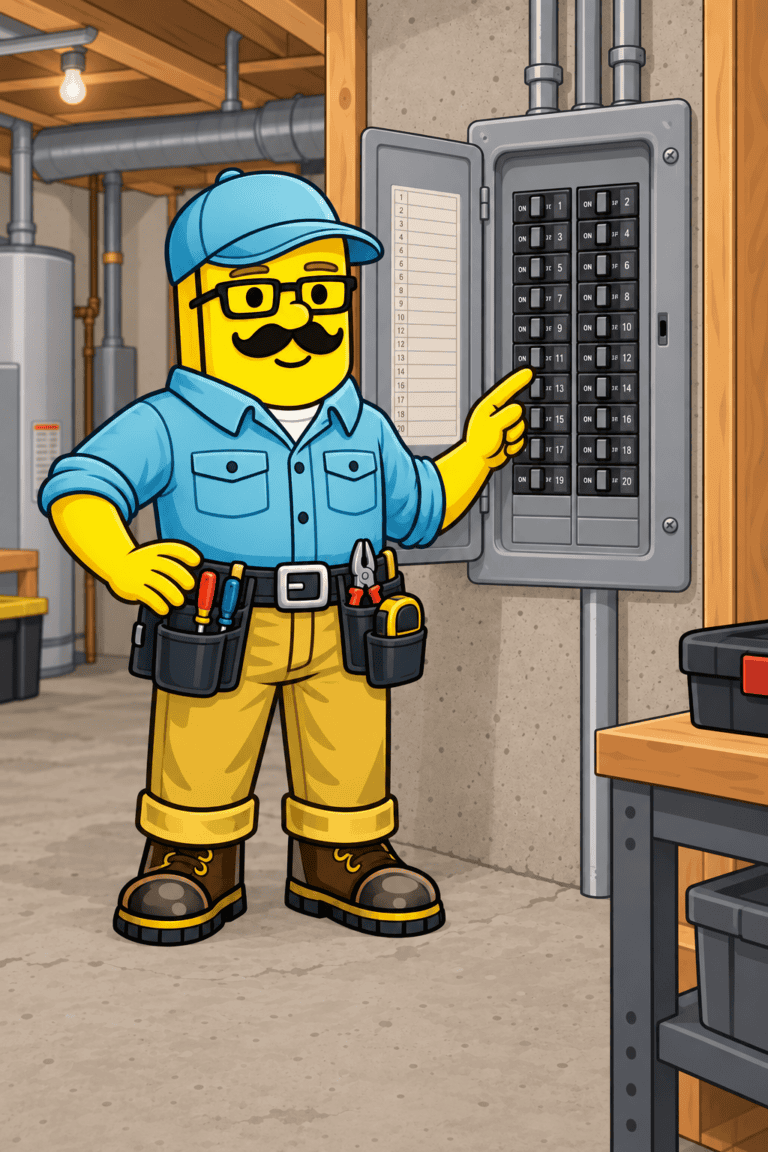
Check your electrical panel. Both the indoor air handler and outdoor condenser have circuit breakers. If either has tripped, reset it.
If the breaker trips again immediately, you have an electrical problem that requires professional diagnosis. Don’t keep resetting a breaker that trips repeatedly.
Clear Debris From the Outdoor Unit
Walk around your outdoor condenser. Is it blocked by leaves, grass clippings, or cottonwood? Is vegetation growing right up against it?
Debris restricts airflow and prevents heat dissipation. Clear everything within two feet of the unit and see if cooling improves.
Common Causes of AC Not Cooling
If the quick checks didn’t solve your problem, here are the most common underlying causes.
Clogged Air Filter (Again, Because It’s That Important)
We listed this first in quick checks because it’s the most common problem. But it’s worth emphasizing: a severely clogged filter doesn’t just reduce cooling – it causes secondary problems.
Restricted airflow causes the evaporator coil to get too cold and freeze. Once ice forms on the coil, airflow drops further, and the system can’t cool at all.
If you see ice anywhere on your indoor unit or on the refrigerant lines, turn off the AC, replace the filter, and let the ice thaw completely (2-4 hours). Then restart the system with the new filter.
Frozen Evaporator Coils
Ice on your evaporator coil (the indoor coil) or refrigerant lines means something is wrong with airflow or refrigerant levels.
Causes of frozen coils:
- Clogged air filter (most common)
- Blocked return vents or supply registers
- Dirty evaporator coil
- Low refrigerant (requires professional service)
- Fan not running at proper speed
What to do: Turn off the AC and let the ice melt. This takes several hours. You can speed it up by running the fan in FAN ONLY mode, which circulates warm air over the coil without running the compressor.
Once thawed, replace the filter and restart the system. If it freezes again quickly, you likely have low refrigerant or another problem requiring professional service.
Dirty Outdoor Condenser Coils
The outdoor unit (condenser) releases heat from your home into the outdoor air. If the aluminum fins on the condenser are clogged with dirt, cottonwood, or debris, the unit can’t dissipate heat effectively.
This forces your AC to run longer, work harder, and cool less effectively.
Clean your condenser coils as described in our AC maintenance guide. Turn off power, hose down the unit gently, and clear all debris. This often restores cooling immediately.
Low Refrigerant
Refrigerant doesn’t get “used up” like gasoline. If your system is low on refrigerant, you have a leak somewhere in the system.
Signs of low refrigerant:
- AC runs constantly but doesn’t reach setpoint temperature
- Ice forms on refrigerant lines or indoor coil
- Hissing sound near refrigerant lines (indicates active leak)
- AC was cooling fine, then gradually got worse over weeks or months
Low refrigerant requires professional service. HVAC technicians have the equipment to detect leaks, repair them, and recharge the system to proper levels. This isn’t a DIY fix.
Thermostat Problems
A faulty thermostat can cause cooling problems even when the AC system itself is fine.
If the thermostat isn’t reading temperature accurately, it might think your home is cooler than it actually is and not run the AC enough. Or it might lose communication with the AC system and not send cooling commands at all.
Try these thermostat checks:
- Replace batteries if battery-powered
- Verify it’s level on the wall (a crooked thermostat can give false readings)
- Make sure it’s not in direct sunlight or near heat sources
- Test by setting temperature very low (like 60°F) to see if AC responds
If the thermostat seems faulty, replacement is straightforward for most homeowners and costs $30-150 depending on model.
Failed Compressor or Capacitor
The compressor is the heart of your AC system. It pressurizes refrigerant and pumps it through the system. If the compressor fails, the AC won’t cool at all.
The capacitor provides the electrical boost the compressor needs to start. If the capacitor fails, the compressor won’t run even though you’ll hear the outdoor fan trying to start.
Signs of compressor or capacitor failure:
- Outdoor unit tries to start but shuts off immediately
- Humming sound from outdoor unit but fan not spinning
- Outdoor unit completely silent (compressor not running)
- Burning smell from outdoor unit
Compressor and capacitor diagnosis and replacement require professional service. These are not DIY repairs.
When to Call an HVAC Technician
Some AC problems require professional expertise and equipment. Call for service if:
The outdoor unit won’t run: If your condenser is completely silent and not starting, the problem is electrical, a failed capacitor, or a dead compressor. All require professional diagnosis.
Frozen coils won’t stay thawed: If you thaw the coils, replace the filter, and the coils freeze again within hours, you likely have low refrigerant or a more complex airflow problem.
You suspect low refrigerant: Refrigerant systems are sealed. Homeowners can’t legally purchase refrigerant or recharge systems. If you have signs of low refrigerant, call a technician.
You’ve tried everything and it still doesn’t cool: If you’ve replaced the filter, checked the thermostat, cleaned the outdoor unit, verified everything is running, and the AC still doesn’t cool, professional diagnosis is needed.
There’s an electrical smell or burning odor: Electrical problems can cause fires. If you smell burning from your AC system, turn it off and call for service immediately.
Don’t keep running an AC that’s not cooling properly for extended periods. Systems that struggle but don’t shut down can damage expensive components like the compressor. A service call costs $150-300. A new compressor costs $1,500-3,000. Catching problems early saves money.
Preventing AC Cooling Problems
Most AC cooling problems develop gradually and are preventable with basic maintenance.
Change your air filter monthly during cooling season. Set a calendar reminder. This single action prevents the majority of AC problems.
Schedule annual professional maintenance in spring. Technicians check refrigerant levels, clean coils, test electrical components, and catch developing problems before they cause failures.
Keep your outdoor unit clean. Hose it down a few times during summer to prevent dirt buildup. Clear vegetation and debris regularly.
Don’t ignore small problems. If your AC takes longer to cool than usual, or if you notice ice forming occasionally, address it immediately. Small problems become expensive failures if ignored.
Document AC issues and resolutions in your homeowners binder – date, symptoms, cause, and fix. This creates a service history that helps identify patterns and aids future troubleshooting.
Final Thoughts From Stud Finder Studio
An AC that’s not cooling is frustrating, but the cause is usually straightforward. Start with the simplest checks – filter, thermostat, outdoor unit running – before assuming you need expensive repairs.
The vast majority of cooling problems trace back to clogged filters or dirty coils. Both are easy homeowner fixes that cost almost nothing and take minimal time.
But know when to call for help. Refrigerant issues, compressor problems, and electrical faults require professional expertise and equipment. Trying to DIY these repairs wastes time and potentially damages your system further.
The best approach is preventive. Monthly filter changes and annual professional maintenance keep your AC running efficiently and catch small issues before they become expensive emergencies. An hour of prevention is worth days of dealing with a broken AC during a heat wave.
Related Articles You Might Find Helpful:
Where Is My Main Water Shutoff Valve? (And Why You Should Find It Today) – Critical home systems knowledge
AC Unit Maintenance: Your Spring Checklist (Before Summer Heat Hits) – Preventive maintenance guide
Why Does My Breaker Keep Tripping? (And How to Fix It) – If your AC trips breakers
How to Install a GFCI Outlet (And When You Need One) – Electrical safety fundamentals