
Why Fall Is the Right Time to Test Your Smoke Detectors
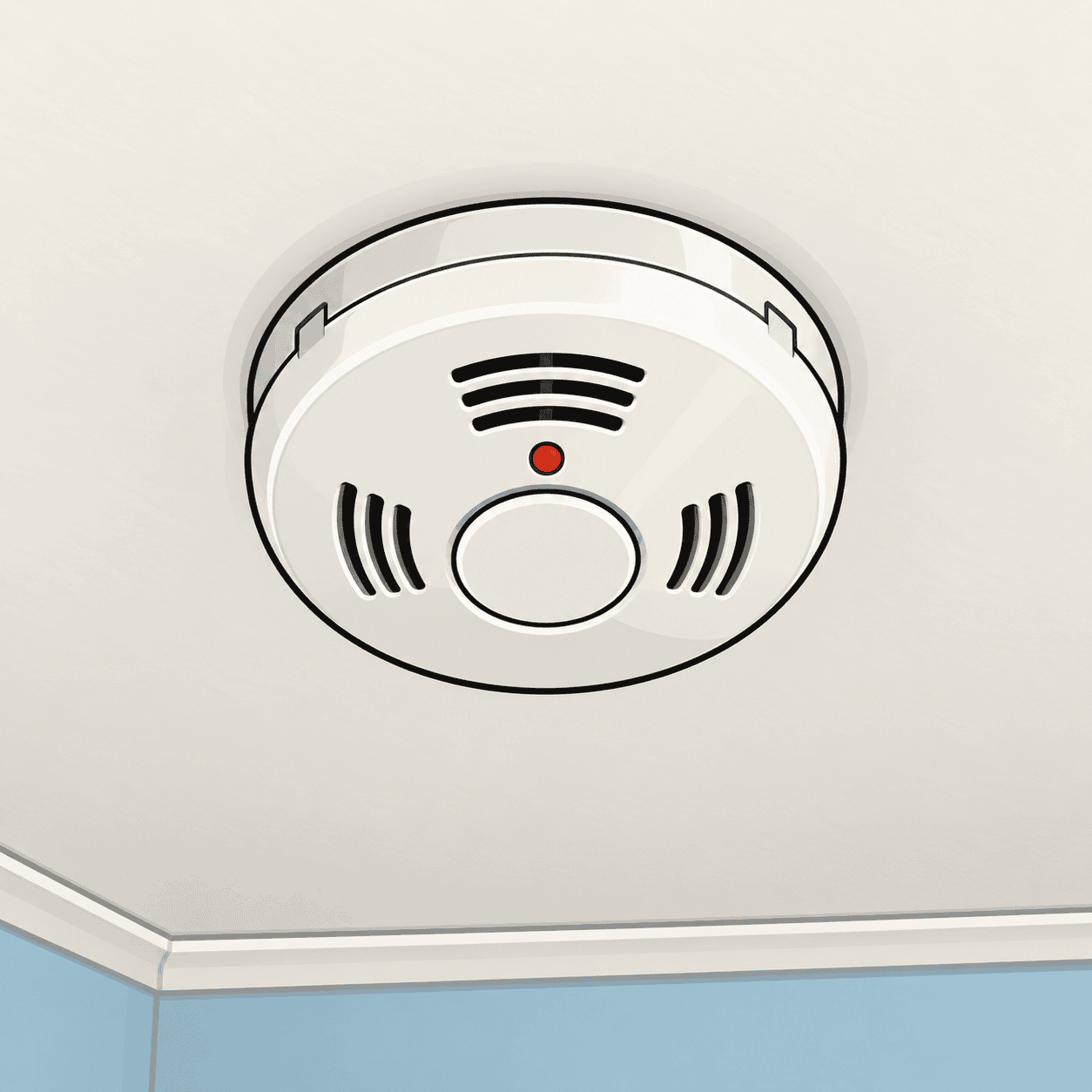
Why fall is the right time to test your smoke detectors comes down to two things happening at once, and most homeowners only think about one of them. The clocks change in November, which is the reminder everyone half-remembers. But the real reason fall matters is that your furnace is about to run for the first time in months, and a furnace that has been sitting idle since spring is exactly the kind of appliance that fails quietly. Carbon monoxide does not announce itself. Smoke does, eventually, but not soon enough if the detector battery died back in July and nobody noticed.
So this is not really an article about changing batteries twice a year. It is about why the timing lines up the way it does, and a few things people get wrong even when they remember to check.
Quick Answer
Test smoke and carbon monoxide detectors in early fall, before you turn the furnace on for the season. Press the test button on each unit, replace batteries on any unit that beeps weakly or not at all, and replace the entire unit if it is more than 10 years old for smoke detectors or 5 to 7 years for CO detectors, since the sensors themselves degrade even if the battery is fine. Do this before the first heating cycle of the year, not after, because that first burn is when a furnace with a cracked heat exchanger or blocked flue is most likely to leak carbon monoxide.
Worth saying plainly: fall is not the only time to test. The National Fire Protection Association recommends pressing the test button monthly, not just twice a year. The fall check is the deeper one, where you are also replacing batteries and checking placement, but the monthly button press is what actually catches a dead unit before it sits silent for months.
Here is the part that gets skipped. A furnace that sat unused all summer can develop problems nobody catches until it fires up again. Dust burns off the heat exchanger in that first cycle, which is normal and why your house smells a little off the first time the heat kicks on. But a cracked heat exchanger, a blocked flue, or a pilot light burning with the wrong flame color are not normal, and none of them make noise. Carbon monoxide is odorless. Your only warning is a working detector.
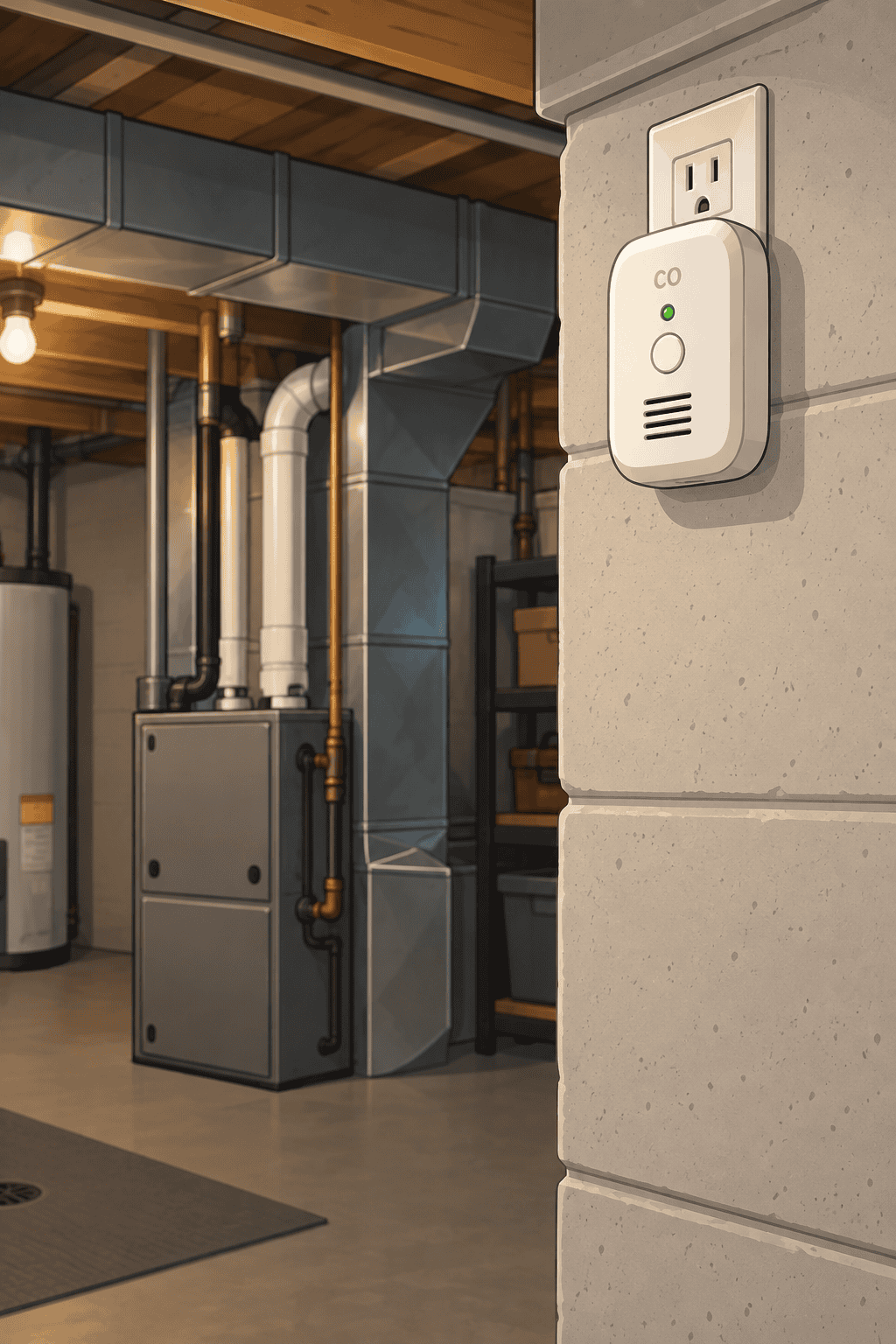
This is why fall specifically matters more than, say, checking batteries in June. In June your furnace is off. Nothing about a summer battery check protects you from a fall startup failure five months later. The timing has to line up with the actual risk window, not just a calendar habit.
The battery mistake almost everyone makes
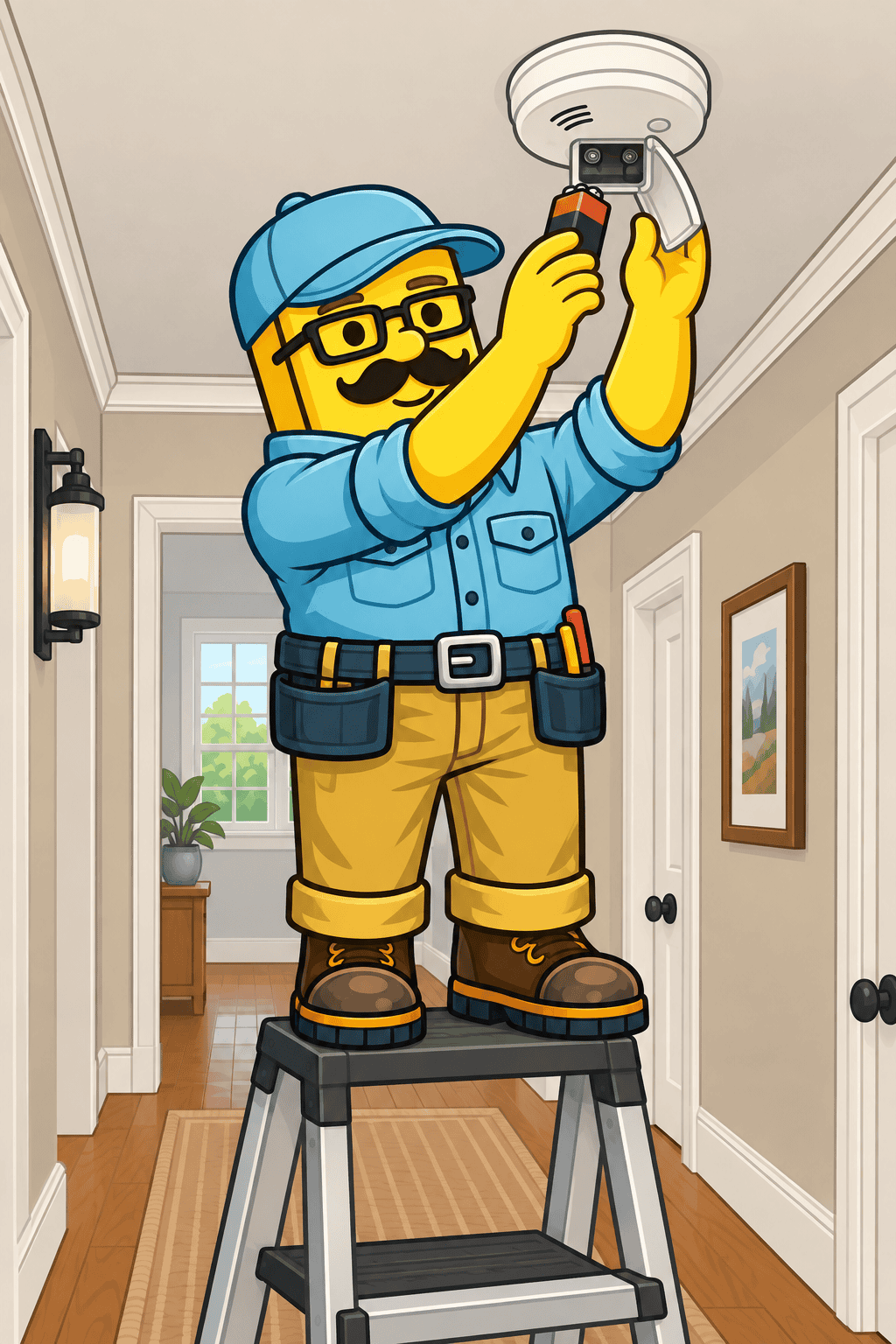
Most people test the detector, hear the beep, and consider it done. But a weak battery can still trigger the test beep loud enough to pass while not having enough charge to sound a full alarm during an actual event. If your detector uses a 9-volt battery, replace it every fall regardless of whether the test passes. Do not wait for the low-battery chirp, because that chirp itself sometimes fails on a battery that is far enough gone.
Detectors with sealed 10-year lithium batteries are the exception. Those do not need battery swaps, but the whole unit still needs replacing once it hits its rated lifespan, sealed battery or not.
Placement matters more than people think

A smoke detector installed too close to a kitchen will nuisance-alarm constantly, and the fix most people reach for is disconnecting it or pulling the battery to make the beeping stop. That solves the annoyance and creates the actual danger. If you have a detector that false-alarms often, the fix is relocating it or switching to a photoelectric model that is less sensitive to cooking smoke, not removing it from service.
Carbon monoxide detectors should sit near sleeping areas, since CO poisoning during sleep is one of the more dangerous scenarios. A detector far from bedrooms does little good if nobody is awake to hear it.
I will admit this is not a complicated task. Testing a detector takes about ten seconds per unit. The reason it gets skipped is not difficulty, it is that nothing bad happens the first few times you forget, which makes it easy to keep forgetting. The furnace runs fine most years. Most detector batteries last most of the season even when they are getting weak. The problem shows up exactly once, at the wrong time, and by then testing it would have mattered five months earlier.
Final Thought
Fall is the right window because it sits right before the highest-risk moment of the year, not because of some arbitrary twice-yearly habit. Test everything before that first heating cycle, replace anything questionable, and check placement while you are at it. It is one of the few home maintenance tasks that takes less time than reading about it, which is exactly why it is worth doing today instead of after the furnace has already run once this year.
Related Articles:
- Gutter Cleaning Tools That Keep You Off the Ladder – Another fall task worth doing on schedule
- Why Does My Breaker Keep Tripping? – Another safety system worth understanding, not just resetting
- Is It Actually Broken, or Just Getting Old? – A related framework for home maintenance decisions
- Browse the Full Tool Library – Reference cards for every tool