
Types of Drywall Anchors Explained: How to Choose the Right One and Why They Fail
Drywall anchors are one of those things almost everyone uses, but very few people actually understand. They’re inexpensive, widely available, and usually come with bold weight ratings that sound reassuring, right up until something pulls out of the wall months later.
If you’ve ever tightened a screw into drywall and thought, “I hope that holds,” this article is for you.
This guide explains drywall anchors in plain language. What they’re designed to do, where they work well, where they quietly fail, and how to choose the right one without guessing or trusting packaging that’s a little too optimistic.
⚠️ Affiliate Disclosure:
Some of the tools mentioned here include affiliate links. If you click and buy, we may earn a small commission, at no extra cost to you. We only recommend gear we’d actually use ourselves.
Drywall Anchor Types Compared
| Anchor Type | Weight Limit | Best For | Main Weakness |
|---|---|---|---|
| Plastic expansion anchor | 10–25 lbs | Small frames, light décor | Fails under leverage |
| Self-drilling threaded anchor | 25–50 lbs | Towel bars, curtain rods | Strips in soft drywall |
| Molly bolt | 30–50 lbs | Bathroom fixtures, medium mounts | Requires correct hole size |
| Toggle bolt | 50–100 lbs | Heavy items without studs | Large hole, not repositionable |
| Snap toggle (SnapToggle) | 65–100 lbs | Heavy shelves, large mirrors | More expensive than basic toggles |
The right anchor depends on three things: how heavy the item is, how far it sticks out from the wall, and whether it will be moved or bumped regularly. The sections below explain each type in detail so you can make the right call before you drill.
What a Drywall Anchor Actually Does
Drywall is not structural. It’s a surface that hides structure behind it. When you drive a screw into drywall alone, there’s nothing solid for that screw to grab long term.
A drywall anchor exists to solve one specific problem: attaching light-to-moderate items to drywall when a stud isn’t available.
Anchors work by changing how force is applied to the wall. Instead of concentrating stress at one small hole, they spread that force across a larger area behind the drywall. That extra surface area is what gives anchors their holding power.
In practical terms, anchors help by:
- Reducing stress at the screw hole
- Slowing pull-out over time
- Making failure more predictable instead of sudden
What they don’t do is turn drywall into wood. Anchors buy margin, not invincibility.
Why Screws Alone Don’t Work in Drywall
A screw driven directly into drywall might feel tight at first, but that grip is temporary. There’s no wood grain to bite into, only compressed gypsum. Over time, gravity, vibration, and leverage take over.
That’s why anchor failures often come with familiar phrases:
- “It was fine for a while.”
- “I don’t know what changed.”
- “It just pulled out.”
Nothing mysterious happened. The drywall simply did what drywall does when it’s asked to hold more than it should.
Anchors aren’t extra hardware. They’re the baseline requirement when you’re not hitting a stud.
The Main Types of Drywall Anchors
Not all anchors solve the same problem. Most failures happen because the anchor chosen was technically rated for the weight, but wrong for the situation.
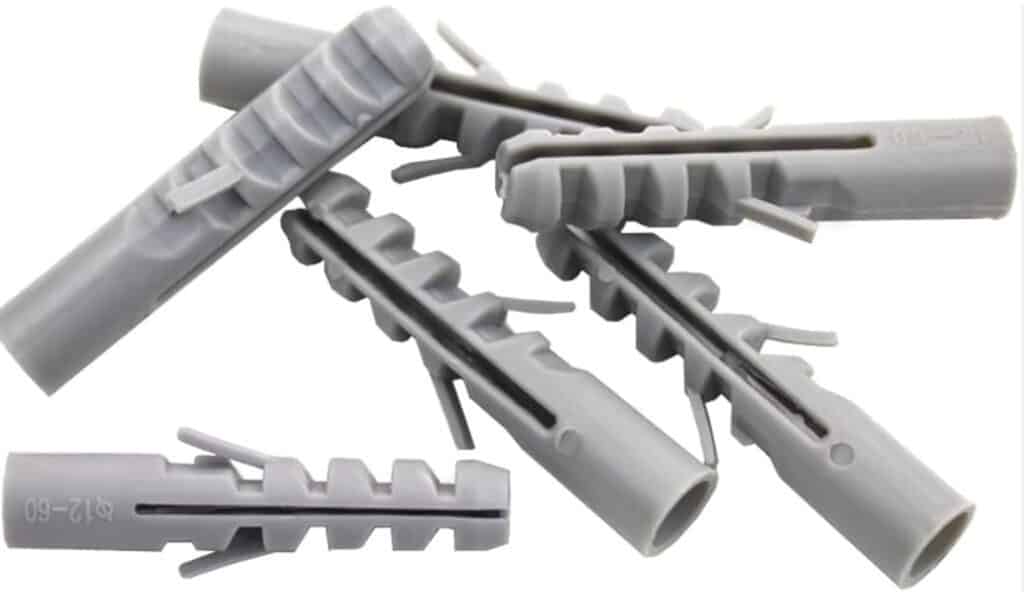
Plastic Expansion Anchors
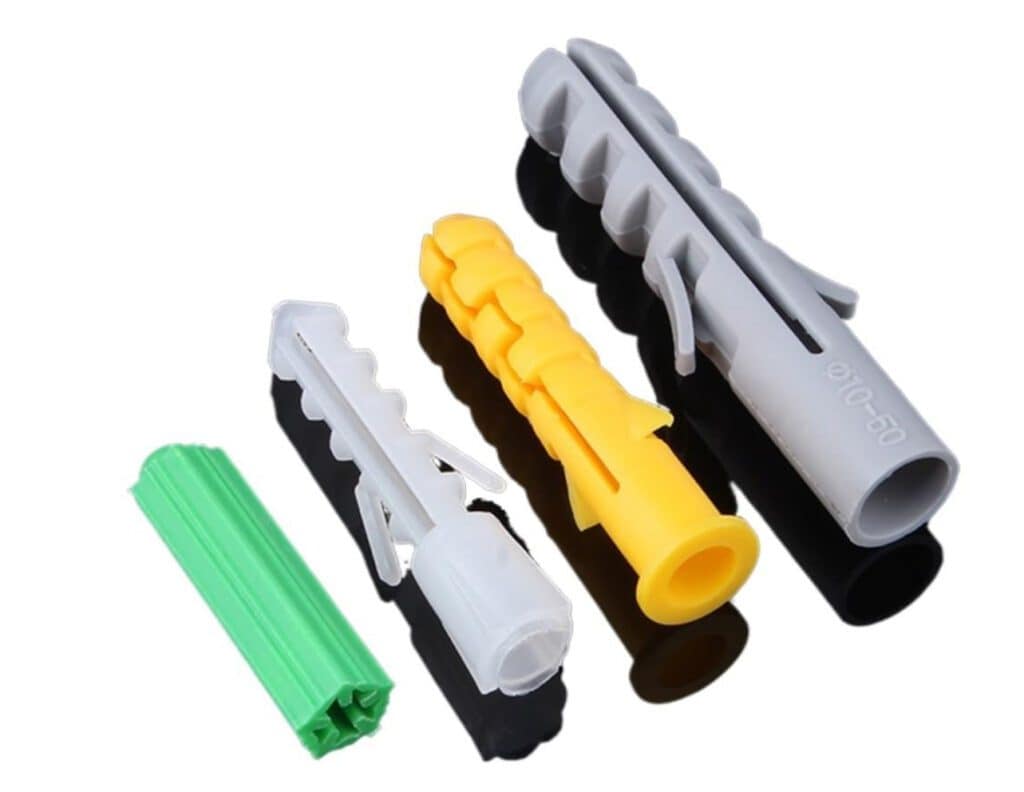
Plastic expansion anchors are the most basic option. You drill a hole, push them in, and tightening the screw causes the anchor to expand slightly against the drywall.
They work best for:
- Small picture frames
- Lightweight décor
- Items that sit flat against the wall
They struggle with shelves or anything that sticks out, because leverage overwhelms them quickly.
Self-Drilling (Threaded) Anchors
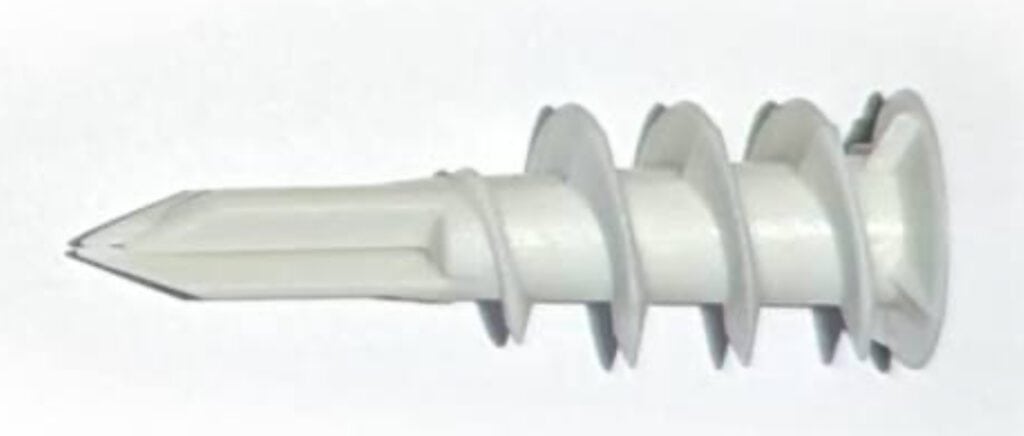
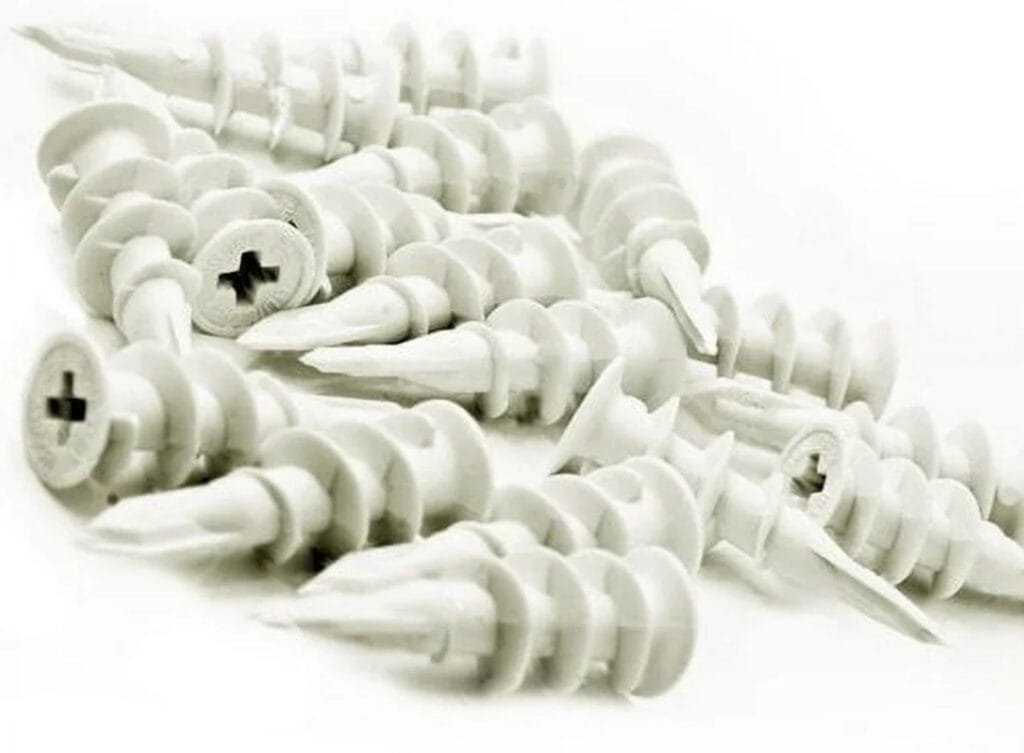
Self-drilling anchors screw directly into drywall and grip it from the inside using wide threads. They’re popular because they’re quick and don’t require a pre-drilled hole.
They’re commonly used for:
- Towel bars
- Curtain rods
- Medium-weight wall accessories
Their biggest weakness is drywall quality. If the drywall is soft or crumbly and the anchor spins, it’s already failed, even if it still looks intact.
Molly Bolts (Hollow-Wall Anchors)
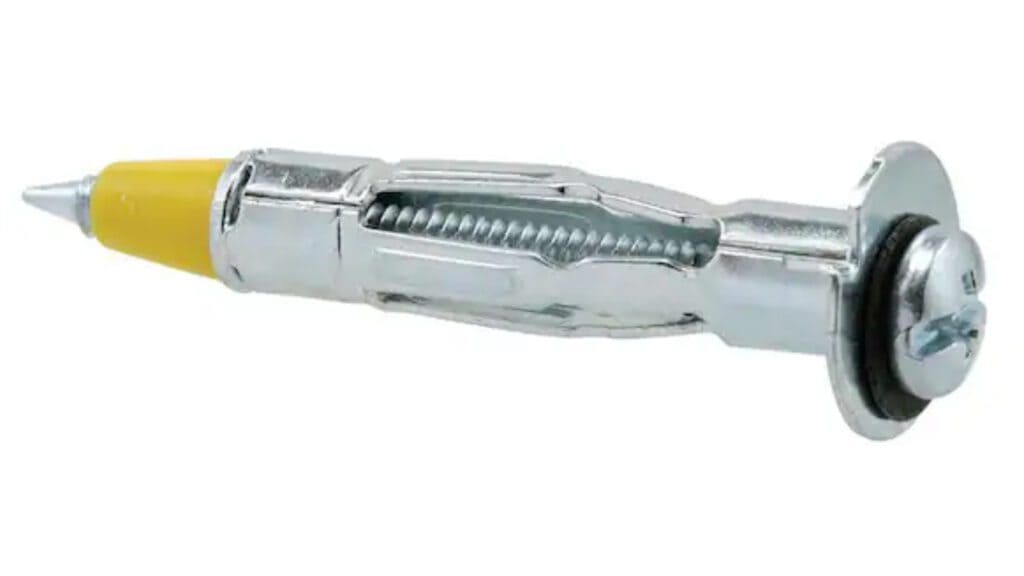
Molly bolts expand behind the drywall into a metal sleeve that clamps the wall from both sides. Installed correctly, they’re reliable and stable for items that need to stay put.
They’re a good fit for:
- Bathroom hardware
- Medium-weight mounts
- Fixtures that won’t be moved often
They do require the correct hole size and careful tightening, which is where many installs go wrong.

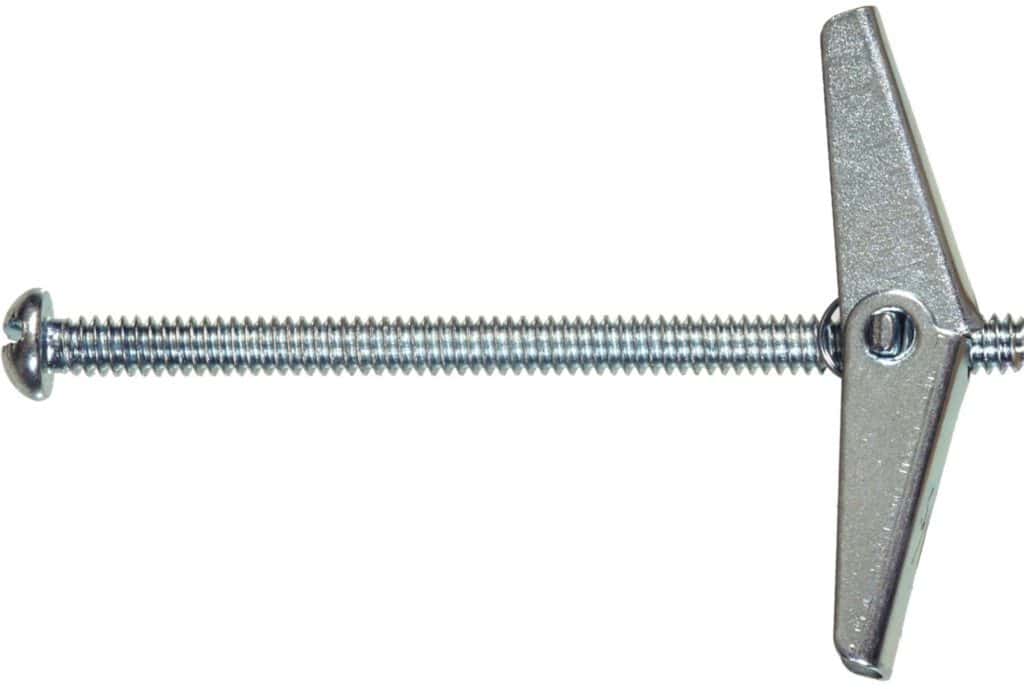
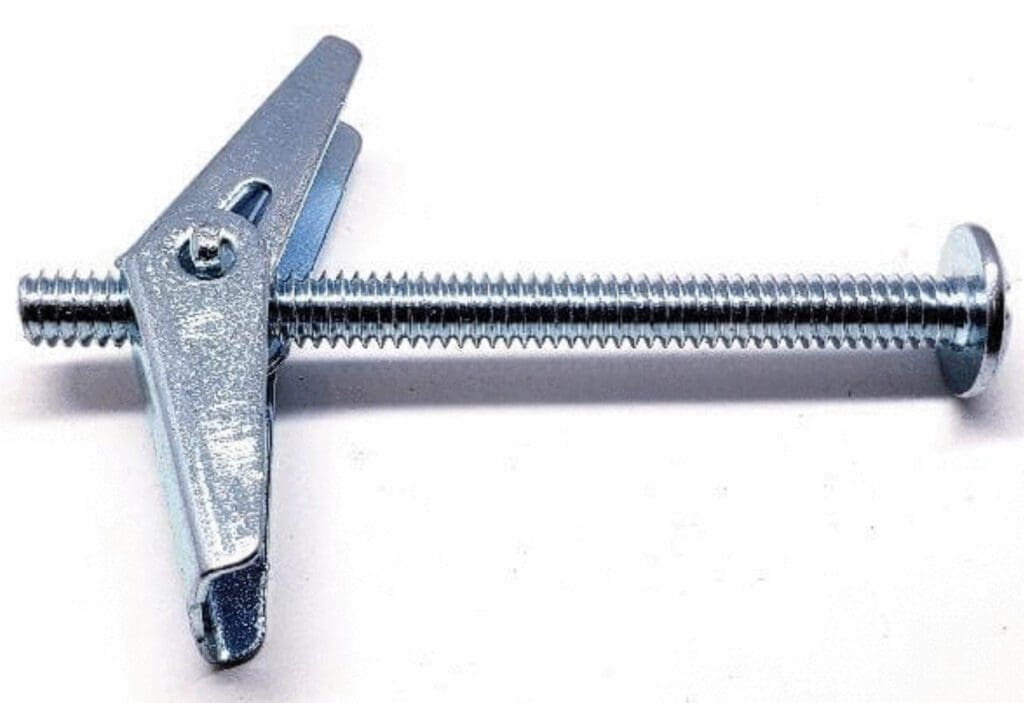
Toggle Bolts
Toggle bolts use spring-loaded wings that open behind the wall and spread weight across a much larger surface area.
They’re best suited for:
- Heavier décor
- Shelves when studs aren’t available
- Situations where strength matters more than convenience
The tradeoff is larger holes and less flexibility once installed. Toggle bolts are strong, but they’re not something you casually reposition.
How Much Weight Can Drywall Anchors Really Hold?
Anchor packaging often lists impressive weight ratings, but those numbers assume ideal conditions: perfect drywall, perfect installation, and a straight downward load.
Real life adds leverage. A deep shelf pulls outward as well as down, which dramatically increases stress on the wall. Over time, that outward force is what loosens anchors and damages drywall.
If you remember one thing, remember this:
- Depth matters
- Leverage matters
- Time matters
The number on the package is only part of the story.
Which Drywall Anchor Should You Use? A Simple Decision Guide
Use this to make the call quickly before your next project:
If the item weighs under 15 lbs and sits flat against the wall → Plastic expansion anchor. Simple, cheap, works for picture frames and lightweight décor.
If the item weighs 15–40 lbs or sticks out slightly from the wall → Self-drilling threaded anchor or molly bolt. The threaded anchor is faster; the molly bolt is more secure. If the drywall feels soft, go with the molly bolt.
If the item weighs over 40 lbs or has significant leverage → Toggle bolt or SnapToggle. These are your highest-strength no-stud option. Accept the larger hole and commit to the placement.
If you’re hanging a TV, cabinet, or anything you’d hesitate to lift → Find the studs. No anchor replaces a screw driven into framing for high-weight or dynamic-load applications. Use a stud finder and do it right the first time.
One rule that prevents most failures: when in doubt, go one step stronger than you think you need. The cost difference between anchor types is almost nothing compared to the cost of patching drywall.
When Drywall Anchors Are the Wrong Choice
Drywall anchors are not a replacement for studs. They’re a workaround for when studs aren’t available.
You should prioritize studs when hanging:
- TVs
- Cabinets
- Large or deep floating shelves
- Anything heavy enough to make you hesitate before lifting
If you’re deciding between anchors and studs, or you’re unsure what’s actually behind your wall before you drill, this guide on how to hang things on a wall without ruining drywall walks through that decision step by step and explains how weight transfers into the wall over time.
That decision comes before choosing hardware.
Why Drywall Anchors Fail (And How to Catch It Early)
Most anchor failures don’t happen suddenly. They give warnings first.
Common early signs include:
- Screws that never feel fully snug
- Anchors spinning instead of tightening
- Drywall beginning to crumble around the hole
- Items slowly tilting or sagging
If something feels wrong during installation, stop. Most drywall damage happens after that moment, when frustration takes over and people push forward instead of reassessing.
How to Choose the Right Anchor Without Guessing
Before buying anything, think about three things: how heavy the item is, how far it sticks out from the wall, and whether a stud is anywhere nearby.
As a general rule:
- Light and shallow → basic anchors
- Medium weight → threaded or molly anchors
- Heavy or deep → studs or toggle bolts
When in doubt, step up rather than down. Choosing a slightly stronger anchor is almost always cheaper than repairing drywall later.
Final Thoughts from Stud Finder Studio
Drywall anchors aren’t magic. They’re tools designed to solve a narrow problem. Used correctly, they’re incredibly useful. Used incorrectly, they create false confidence and future repairs.
Understanding what drywall can and can’t do changes how you approach every wall-mounted project. When something feels uncertain, that’s not hesitation, it’s experience starting to kick in.