
When Should You Turn On the Heat? What to Check Before You Do
The first cold morning usually starts the same debate: turn on the heat, or hold out a little longer?
Waiting until October sounds reasonable until your living room feels uncomfortable in September. Turning it on because the outdoor temperature dropped overnight can feel unnecessary when the house is still warm.
Knowing when to turn on your heat starts with what is happening inside your home. The weather forecast helps you prepare, but it does not tell you how cold your bedroom gets before sunrise.
Quick Answer
Turn on your heat when your home can no longer maintain a comfortable indoor temperature for the people living there. You do not need to wait for a particular month or several consecutive cold days. Check the rooms you actually use, especially in the morning, and test your heating system before sustained cold arrives so you have time to address problems.
What Temperature Should It Be Before You Turn On the Heat?
An outdoor temperature alone is a poor trigger. A sunny afternoon can keep one house comfortable while another loses warmth through drafty windows and an exposed floor.
Start by checking the indoor temperature when the house feels cold. Then compare it with the temperature where you normally feel comfortable.
If you prefer the house at 68°F and it has dropped to 65°F, turning on the heat is reasonable. Those numbers are an example, not a requirement to wait until 65°F.
Also consider who lives there. Older adults, young children, and people with certain health conditions can be more vulnerable to cold. A temperature one person tolerates comfortably may not suit everyone in the household.
There is no prize for being the last house on the street to turn on the furnace.
Check the Coldest Room You Use
Your thermostat measures the temperature where it is installed. It cannot tell you whether the bedroom over the garage or the room at the end of the hallway is several degrees colder.
If the thermostat looks fine but you still feel cold, place a room thermometer in the space that bothers you. Keep it away from direct sunlight, supply vents, and other heat sources that could distort the reading.
Check it in the morning and again later in the day. That gives you more useful information than repeatedly adjusting the thermostat without knowing what is happening.
Turning On the Heat Does Not Commit You to Running It All Day
A chilly morning does not mean you have to heat the house through a warm afternoon.
With the thermostat set to heating mode, the system calls for heat when the temperature at the thermostat falls below its setting. When the house is warm enough, it stops calling for heat.
That makes the thermostat more useful than a calendar rule. You can use heat when the house needs it without deciding that “heating season” has officially begun.
Choose a comfortable setting and let the system respond. Follow your equipment’s guidance for scheduling and temperature setbacks, particularly if you have a heat pump.
Before the First Startup
Test the system on a mild day before you expect to depend on it overnight. Discovering a problem while the house is still comfortable gives you more room to arrange service.
For a forced-air furnace or heat pump, start with these checks:
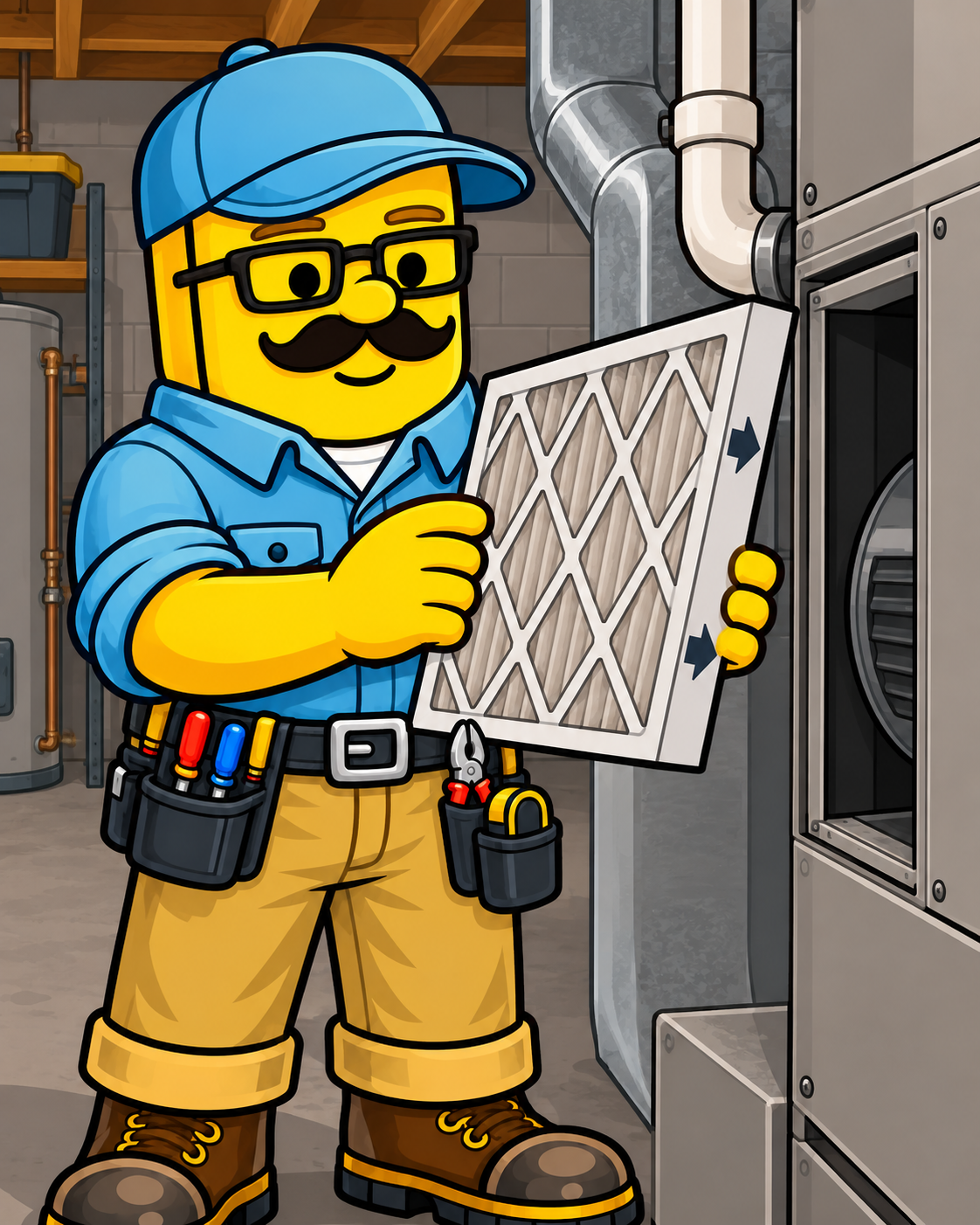
- Inspect the filter. Replace a dirty disposable filter with the correct size and type. Follow the equipment instructions for shutting down the system and accessing it.
- Clear supply and return vents. Move furniture, rugs, or stored items blocking airflow.
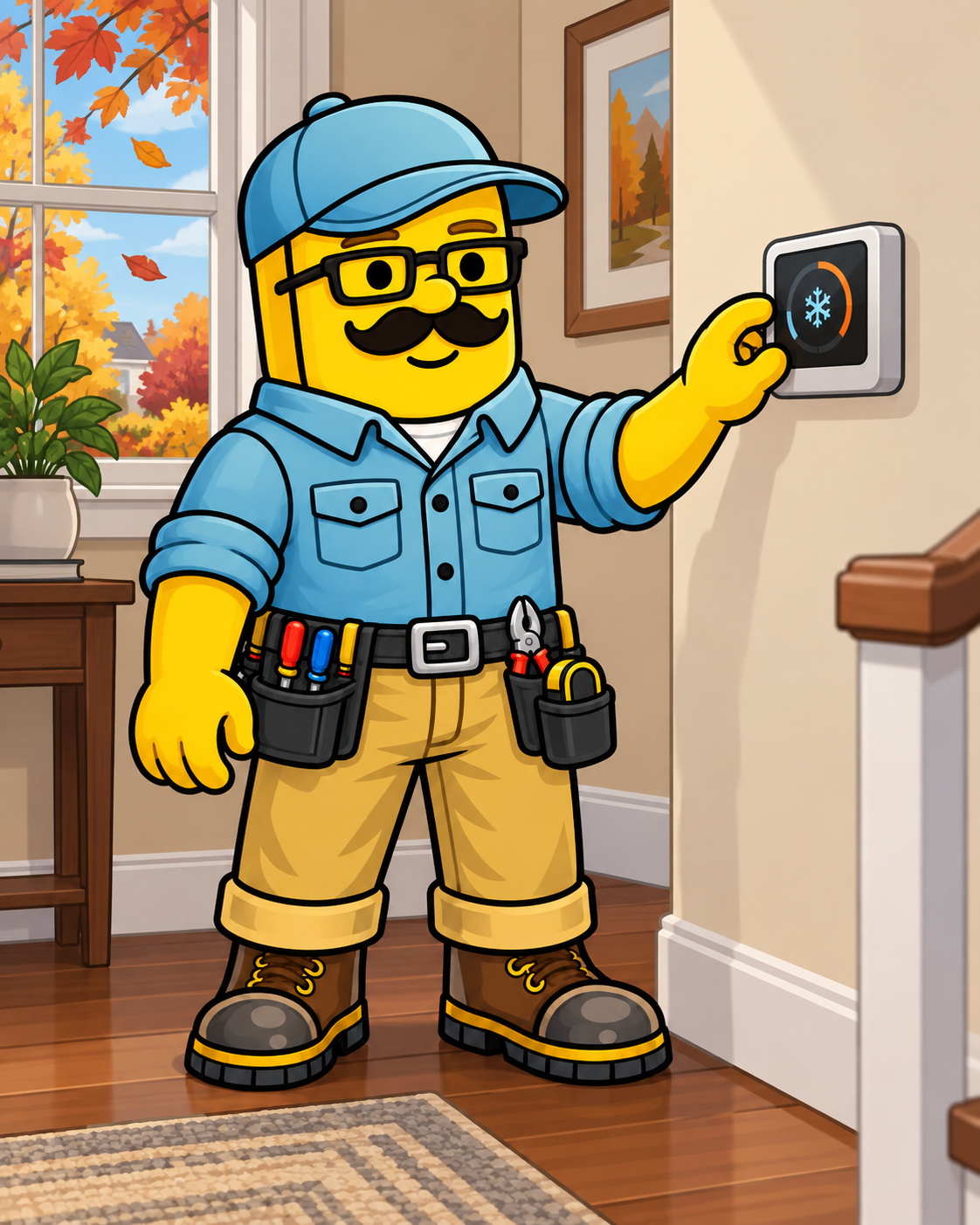
- Check the thermostat. Select heating mode and set it a little above the current room temperature. Allow for the startup delay described in the manual.
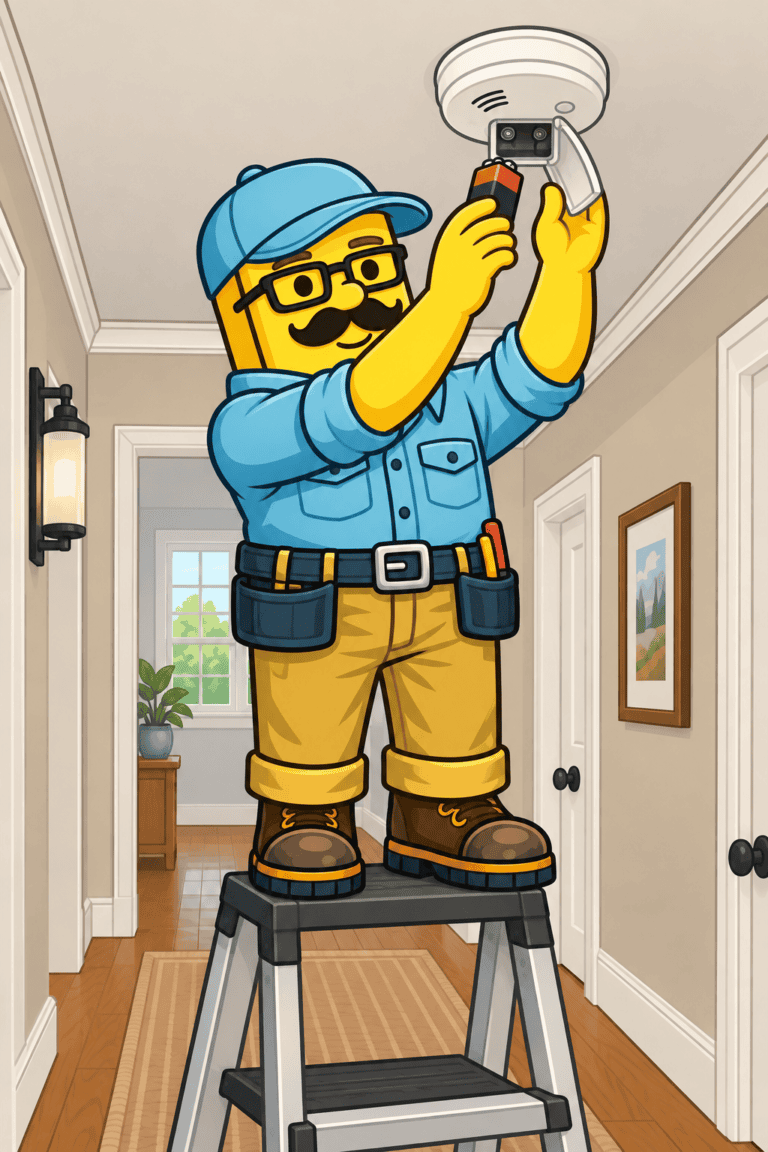
- Test smoke and carbon monoxide alarms. Follow each alarm’s instructions and check its replacement date.
- Check the area around the equipment. Keep stored belongings away and maintain the manufacturer’s required clearances.
Boilers, radiators, and electric baseboard heaters need different maintenance checks. Use the instructions for the system you have rather than assuming every heating system uses a replaceable air filter.
If you are unsure about filter placement, see How to Change Your Air Filter (And Which Direction It Goes).
Is a Burning Smell Normal When You First Turn On the Heat?
A brief dusty odor can occur when accumulated dust heats up during the first use of the season. That does not mean every burning smell is harmless.
Carrier identifies dust as a common startup cause, but advises investigating odors that persist or cannot be readily identified. Do not assume a strong or worsening smell will eventually burn off.
A rotten-egg or sulfur smell requires a different response. If you suspect a gas leak, leave immediately. Do not operate the thermostat, electrical switches, or appliances, and do not stay inside looking for the source. Call your gas utility and emergency services from a safe location.
For an electrical or burning-plastic odor without a suspected gas leak, stop using the system and arrange professional inspection. If there is smoke, fire, or an immediate danger, evacuate and call emergency services.
Carbon monoxide has no smell. A working CO alarm is essential; a lack of unusual odor does not tell you whether the air is safe. If the CO alarm sounds, get everyone outside and call emergency services.
What If the Heat Does Not Come On?
Start with the settings before assuming the furnace has failed. Confirm that the thermostat is in heating mode, its setting is above the room temperature, and its batteries do not need replacement.
For a forced-air system, check the filter using the manufacturer’s instructions. A restricted filter can contribute to overheating and shutdowns.
If the system repeatedly tries to start, shuts down again, or produces unusual noises or odors, stop troubleshooting and contact an HVAC technician. Repeatedly restarting it does not resolve the underlying problem.
Let Your House Tell You When It Is Time
Turn on the heat when the rooms you use need it. Check the indoor temperature, account for the people living there, and give the system a trial run before the weather makes it urgent.
For today, start with two things: check your coldest occupied room tomorrow morning, and make sure your heating system is ready to run.
Related articles: