
Why Is My Window Drafty Even When It’s Closed?
You’re sitting near the window when you notice that familiar chill. You check the latch, push the window shut again, and somehow the room still feels cold.
A drafty window can have worn weatherstripping, a sash that isn’t closing properly, or gaps around the frame. But cold air moving near the glass does not always mean outdoor air is leaking in.
Before buying sealing materials, figure out where the chill is coming from.
Quick Answer
Start by closing and locking the window, then check its edges for moving air. Worn weatherstripping can leak around the moving sash, while gaps around the frame can let air enter elsewhere. If the chill is mainly across the glass, room air cooling against that surface may be contributing. Match the repair to the location instead of sealing every visible opening.
First, Make Sure It’s Fully Closed
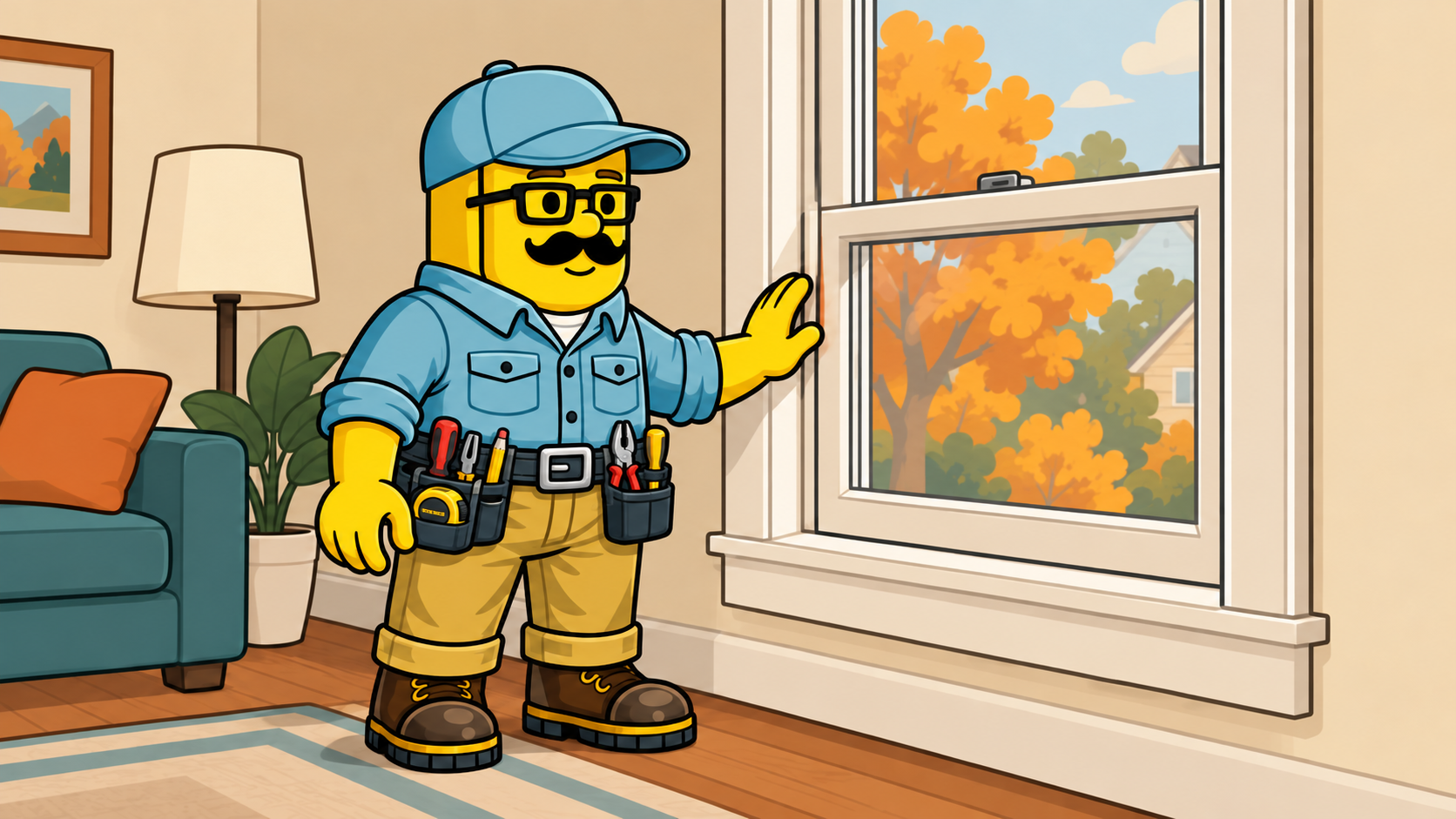
A window can look shut without sitting properly against its seals. Open and close it normally, checking for dirt or debris that prevents it from seating.
On a double-hung window, check both sashes, including the upper one. On a casement window, check that it closes evenly before engaging the locking hardware.
Lock the window as intended. If you have to force the latch or lift the sash to make it catch, investigate the alignment rather than adding thicker weatherstripping.
Is Air Leaking In, or Does the Glass Just Feel Cold?
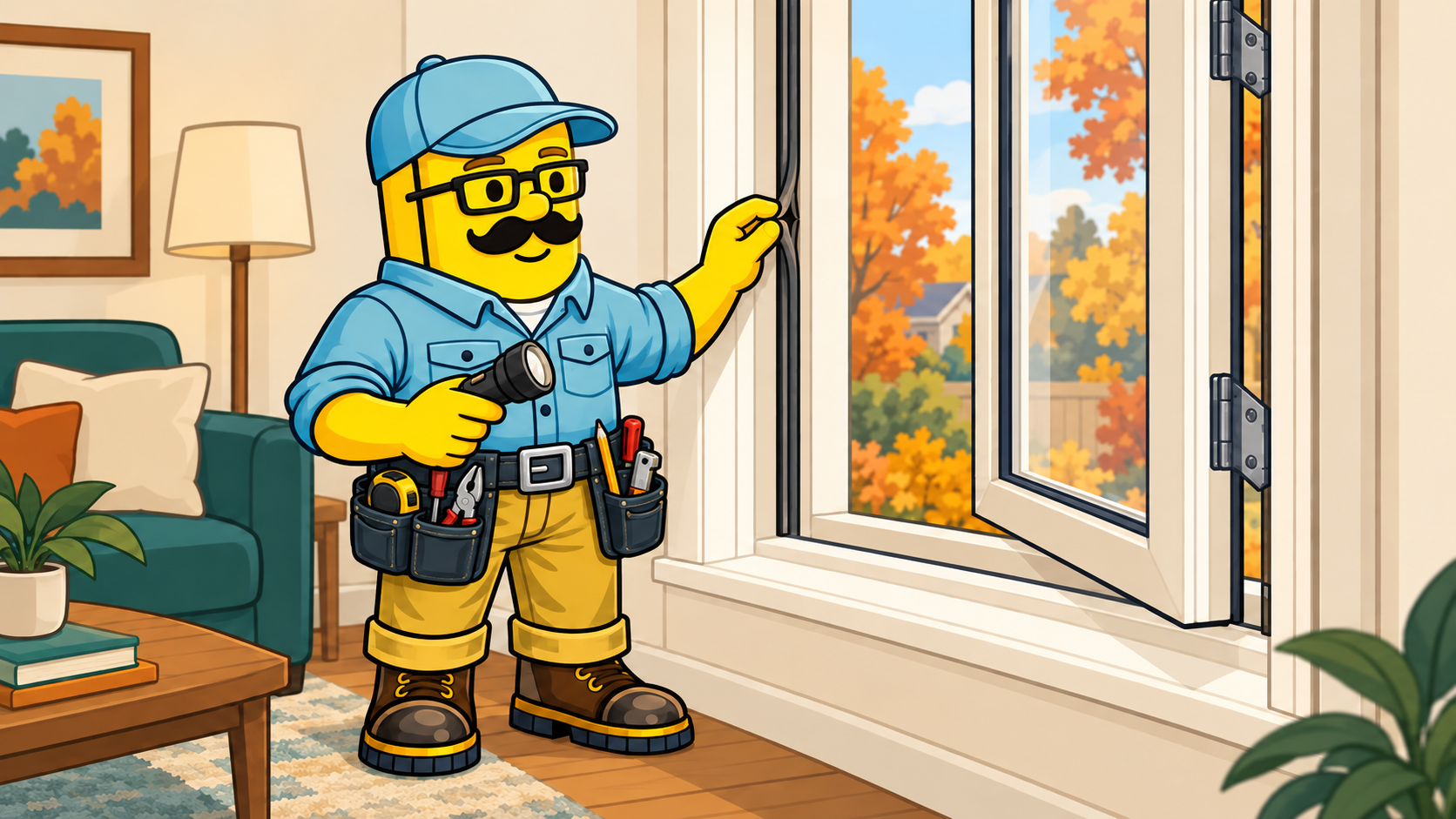
On a cool, windy day, move your hand slowly around the sash edges and the surrounding trim. A lightweight tissue held near a suspected gap can help reveal air movement. Keep nearby fans and supply vents in mind because they can affect the result.
Do not use a candle or lighter to search for leaks.
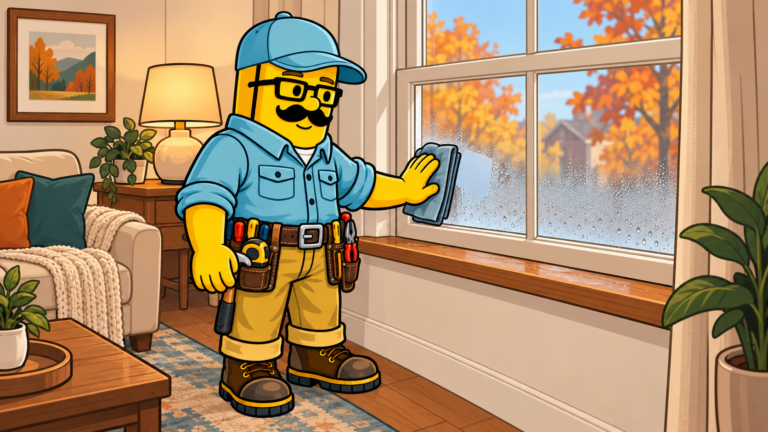
Cold glass creates another effect: room air cools against it and sinks. That moving air can feel like a draft even when the window is sealed. You can also feel chilled sitting beside a cold surface.
An edge leak that changes with gusts points toward air infiltration. A broad chill near the glass may involve the window’s insulating performance. Both can happen together.
| Where you notice the chill | What to check |
|---|---|
| Around the moving sash | Closure, alignment, and weatherstripping. |
| Where the two sashes meet | Whether both are seated and the lock engages correctly. |
| Around the frame or trim | Gaps in the surrounding air seal. |
| Across the glass | Cold-surface effects, along with any edge leaks. |
Check the Weatherstripping
Weatherstripping seals the joints where the window moves. Look for torn, missing, flattened, or displaced sections.
Use replacement material that matches the window’s design. Generic adhesive foam is not the right fit for every sash, and material that is too thick can prevent the window from closing.
Clean the contact surfaces and follow the installation instructions. Afterward, check that the window opens, closes, and locks normally.
What About Gaps Around the Trim?
Caulk is used at appropriate stationary joints. Weatherstripping belongs at moving joints. They are not interchangeable.
A visible gap where interior trim meets the wall may be worth sealing with a compatible product, but that surface gap does not reveal the entire air path. Persistent leakage may require checking the space behind the trim.
If that work involves spray foam, use a product specified for windows and doors and follow its instructions. Overfilling with the wrong material can affect the frame.
Do not caulk operating tracks, drainage openings, or the sash shut. If you also see rainwater entering, have the flashing and installation checked.
Can Window Film Help Before Winter?
An interior shrink-film kit can provide a temporary additional barrier when installed over the window opening as directed. Check the kit’s surface compatibility and measure before buying.
It is a seasonal measure, not a repair for rotten framing, damaged hardware, or water entry. Preserve access to any window needed for emergency escape.
Curtains can also improve comfort near cold glass. Keep heating vents clear, and monitor for moisture behind closed coverings.
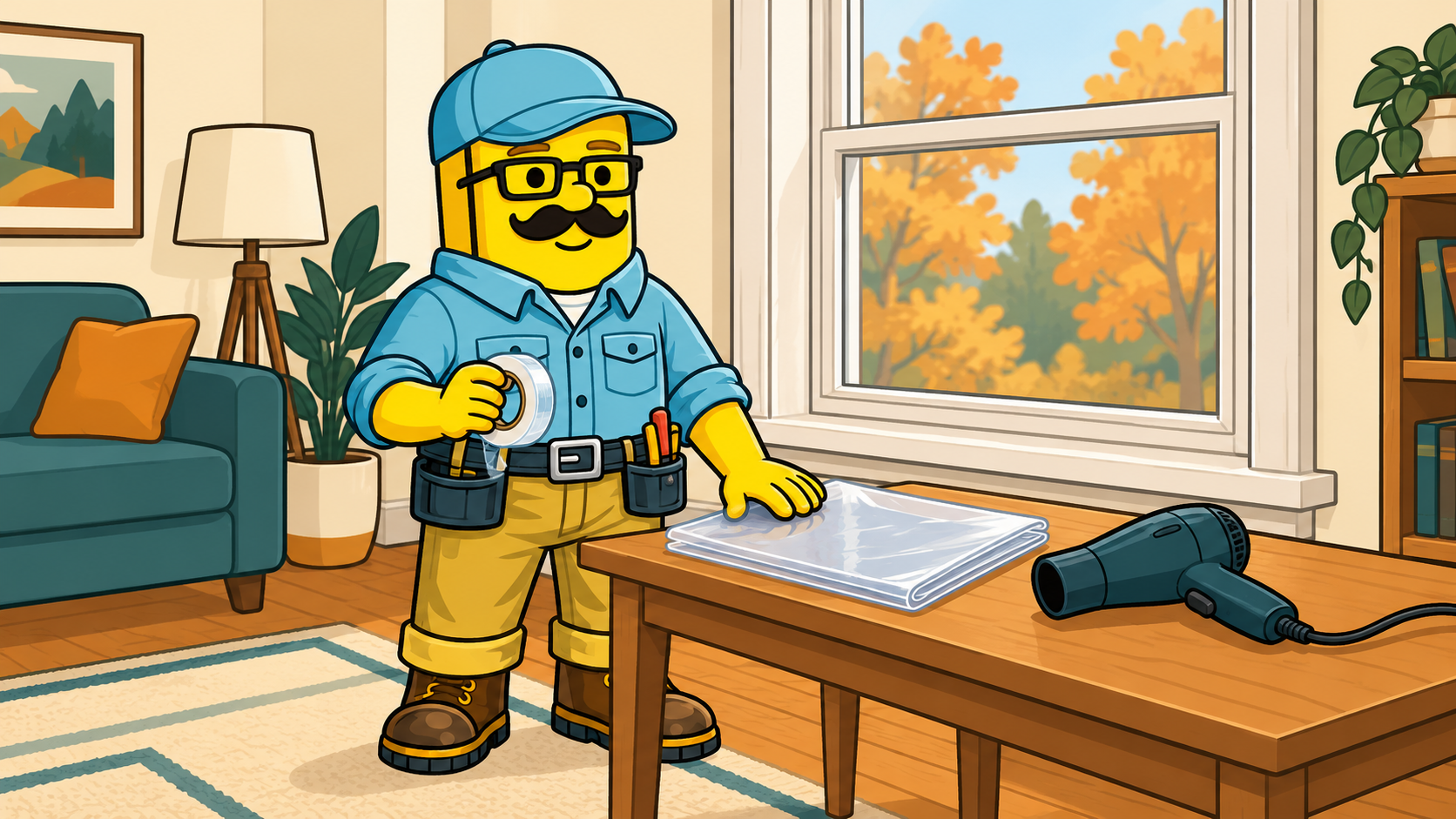
An Extra Barrier Before Winter
Affiliate disclosure: As an Amazon Associate, I earn from qualifying purchases.
Window Film Insulation Kit
Add a temporary interior barrier over the window opening for the colder months. Measure your windows and compare the kit’s listed coverage before choosing a pack.
Prices shown may change. Check Amazon for current pricing, pack sizes, and availability.
If droplets are also appearing on the glass, our guide to condensation inside windows explains what to check.
When Is It Time to Call Someone?
Get the window checked if it will not close or lock properly, the frame is soft or damaged, or rainwater enters around it. Persistent drafts after basic checks may need a closer inspection or a home energy assessment.
Before deciding on replacement, ask whether weatherstripping, hardware adjustment, or surrounding air sealing would address the problem.
Start with the window that bothers you most. Close it, lock it, and locate the air movement before choosing a fix.
Related articles: